

Voice Therapy

Let us help you get your voice back!

  • Awesome Image
  • Awesome Image
Welcome to Cancer Rehab

Adult Speech & Voice Therapy

Support for Voice, Breathing, and Communication

Your voice isn’t just how you speak, it’s how you connect, express yourself, and show up in the world. When that voice is affected by cancer treatment, surgery, illness, or ongoing strain, it can feel like you’ve lost a part of yourself.


We’re here to help you get it back.


Our voice therapy program is designed to treat a wide range of conditions, including:


  • Muscle Tension Dysphonia: when tightness or poor vocal coordination alters voice quality or makes speaking exhausting


  • Vocal Cord Dysfunction (VCD): often mistaken for asthma, this affects breathing and voice during activity or stress


  • Chronic Cough: persistent, non-productive coughing that doesn’t respond to medication and disrupts daily life


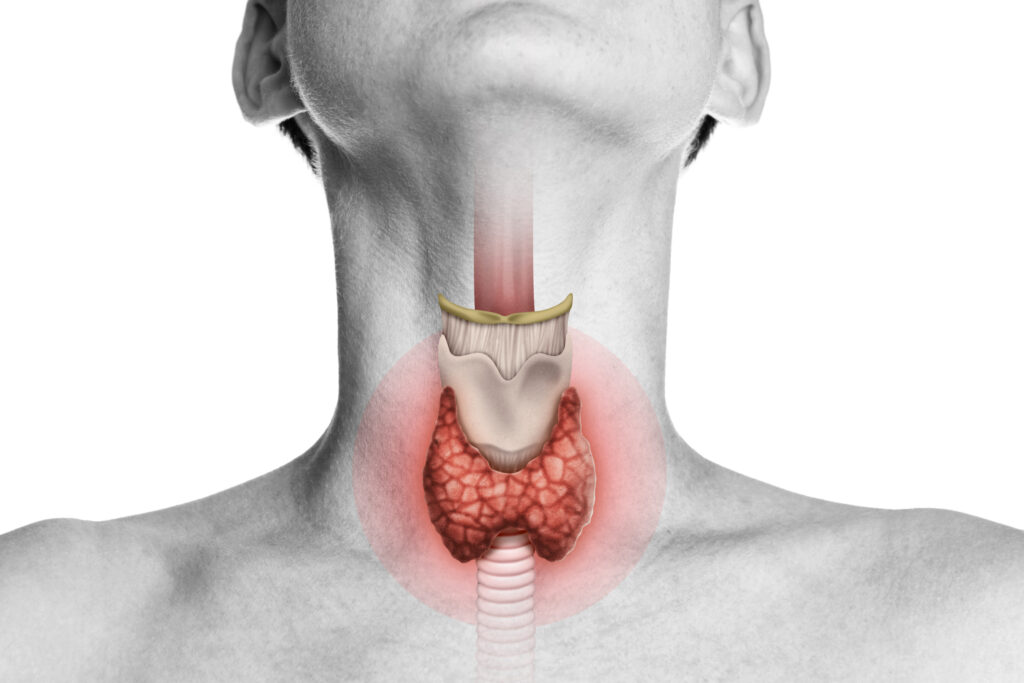
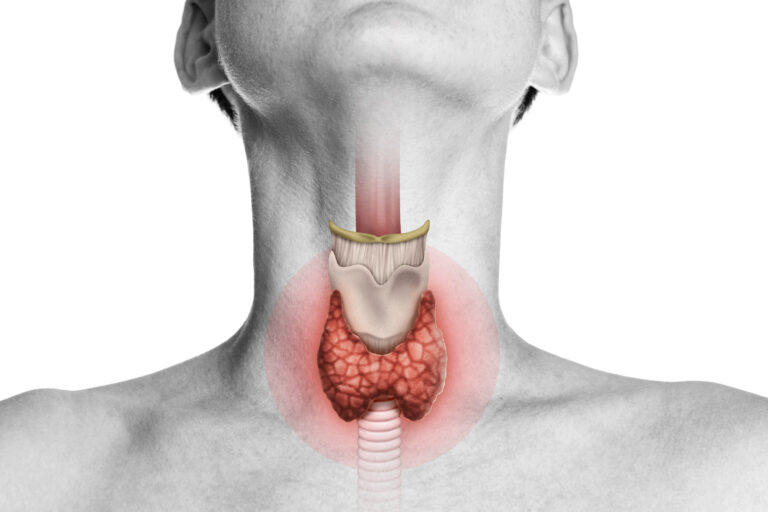
For patients undergoing or recovering from cancer treatment, especially head and neck cancers, thyroid surgeries, or radiation near the airway, voice therapy can play a critical role in protecting, restoring, and strengthening vocal function. Whether you’re preparing for treatment, navigating the side effects mid-process, or working to recover after surgery or radiation, we tailor therapy to your timeline, diagnosis, and goals.


Treatment includes voice retraining, breathing coordination, vocal hygiene strategies, and techniques to reduce strain and restore clarity. It’s personalized, practical, and built around what your voice needs to feel strong, sustainable, and heard.


  • 100% Satisfaction
  • Flexible and Cost-Effective
  • One on One Care
  • Trained Specialists
Awesome Image

Call Us :

844-656-4200

  • 15000
    Happy Patients
  • 75
    Satisfaction Guarantee
  • 1
    Specialties
  • 50
    Years of Experience
Our Expertise

Voice and Speech Therapies

What We Do

Muscle Tension Dysphonia

Your paragraph text 38 1

Muscle Tension Dysphonia (MTD) happens when the muscles around your voice box tighten or overwork during speaking or breathing. It’s one of the most common causes of voice problems in adults and often goes unrecognized. People with MTD may notice their voice sounds strained, weak, hoarse, or fatigued, especially after speaking for long periods.


It’s not caused by damage to the vocal cords themselves, but rather by excess tension in the neck, larynx, and surrounding muscles, often made worse by stress, poor vocal habits, or compensation for other issues like reflux or illness.


Treatment focuses on releasing unnecessary tension, retraining muscle coordination, and restoring healthy voice production. Our approach includes:


Manual therapy to reduce muscle tightness in the neck and larynx


Breathwork to support voice with less effort


Voice exercises to rebuild efficiency and reduce strain


Vocal hygiene strategies to protect against future irritation


If your voice feels like it’s giving out, sounds different than it used to, or just doesn’t “feel right” anymore, Muscle Tension Dysphonia may be the reason. With the right therapy, it’s highly treatable, and your natural voice is worth getting back.

What We Do

Vocal Cord Dysfunction

Your paragraph text 42

Vocal Cord Dysfunction (VCD), also called paradoxical vocal fold movement, is a condition where the vocal cords temporarily close when they should be open, especially during inhalation. This abnormal movement can make it feel like you’re suddenly short of breath, choking, or unable to get a deep breath in, even though your lungs are functioning normally.


VCD is frequently mistaken for asthma because the symptoms can feel similar, but unlike asthma, it doesn’t improve with inhalers or standard respiratory medications. Episodes may be triggered by physical exertion, exposure to strong smells or cold air, heightened emotions or stress, reflux, or even prolonged speaking. Because of these varied triggers, it often takes time and a specialized assessment to get the right diagnosis.


People with VCD often describe a tight, constricted feeling in the throat or a sensation that their airway is closing. Others notice a chronic cough or throat tickle that won’t go away, voice changes during episodes, or a sudden onset of breathlessness, especially during activities like exercise or speaking for extended periods.


Treatment is centered around retraining how the vocal cords move and helping you regain control during flare-ups. This typically involves targeted breathing exercises to promote smoother airflow, voice therapy to improve coordination and reduce strain, and manual techniques to release tension in the muscles surrounding the larynx. Part of the process also includes learning how to manage triggers, both physical and emotional, so episodes happen less often and feel less overwhelming when they do.


With the right tools and support, most people with VCD experience significant relief. Instead of feeling like they’re gasping for air or “stuck” during an episode, they develop practical strategies to stay calm, regain control, and breathe more freely.

What We Do

Chronic Cough

Your paragraph text 40

A persistent cough that lasts for weeks or even months can be frustrating and exhausting. It can interrupt sleep, make conversations difficult, and leave you feeling like your body just won’t settle down. For many people, it’s not about a cold or infection anymore, it’s about the way the throat and vocal cords are functioning.


A chronic cough can be triggered by things like reflux, post-nasal drip, or a past illness. But in many cases, the cough continues even after those issues have cleared. That’s because the muscles in the throat become overly sensitive or tense, and the nervous system starts treating normal sensations like talking or breathing in cool air as threats. The result? A constant urge to cough, even when nothing is “wrong.”


This kind of cough often doesn’t respond well to medication. That’s where speech therapy can help. Treatment usually involves calming the throat and retraining how your body responds. This includes breathing techniques to ease pressure on the vocal cords, hands-on work to reduce tension in the neck and throat, and exercises to help your brain stop interpreting small triggers as signals to cough.


It’s not an overnight fix, but it is a process that works. If your cough hasn’t gone away with standard treatments or if you’re tired of being told “it’s nothing,” you’re not alone. There are tools that can help and provide support that’s based on how your body works, not just how it sounds.

What We Do

Vocal Hygiene and Wellness

Your paragraph text 39

Vocal hygiene isn’t just a set of suggestions, it’s a core part of how we treat voice disorders at our clinic. Whether you’re recovering from vocal cord injury, muscle tension, chronic cough, or post-cancer voice changes, daily voice care plays a crucial role in supporting healing and preventing setbacks.


During therapy, we assess how your current habits, like throat clearing, speaking over noise, or shallow breathing, may be contributing to your symptoms. Then, we teach practical strategies to minimize strain and help your voice function more efficiently. This includes hydration routines, breath support techniques, and guidance on rest and pacing, especially if you use your voice heavily at work or home.


We also work to reduce tension in surrounding areas like the neck, shoulders, and jaw through targeted manual therapy or postural retraining, depending on your needs. And if reflux, allergies, or illness are affecting your voice, we integrate that into your care plan too.


Our goal isn’t just to treat symptoms, it’s to give you the tools and understanding to protect your voice long-term. Voice hygiene isn’t a one-size-fits-all checklist. It’s a personalized, evidence-informed piece of your overall rehabilitation, built to support both short-term recovery and long-term function.

What We Do

Vocal Nodule Treatment

Your paragraph text 41

Vocal fold nodules are small, callus-like growths on the vocal cords caused by chronic strain or overuse. They’re especially common in people whose jobs demand constant speaking. Teachers, singers, fitness instructors, customer service reps, and public speakers.


Over time, that repetitive pressure leads to swelling and stiffness in the cords, making the voice sound hoarse, breathy, or strained. Many people also describe their voice giving out by the end of the day or feeling like they have to “push” to get words out.


At our clinic, we treat nodules with a functional, non-surgical approach that targets both the voice itself and the habits that caused the damage in the first place. We start by figuring out how your voice is being used, how you breathe, how much tension you carry in your throat, how efficiently your cords come together, and what daily factors (like stress, dehydration, or job demands) are keeping the cycle going.


From there, therapy is designed to reduce strain, restore healthy vocal fold vibration, and retrain your system for long-term resilience. That means helping you speak from breath, not force. It means releasing muscle tension through manual therapy and breath coordination. And it means building a voice technique that feels natural and sustainable, something you can use all day without pain or fatigue.


We also work with you to identify external triggers, whether that’s speaking in loud spaces, pushing through fatigue, or clearing your throat out of habit so your cords have a real chance to heal. Most nodules don’t need surgery. But they do need skilled, intentional therapy that gets to the root of the problem.

What We Do

Voice Restoration for Total Laryngectomy

Thyrotomy cb949101 8a0a 44af bfdb e4714b6f2e13

A total laryngectomy removes the voice box (larynx) as part of treatment for certain head and neck cancers. While this surgery can be lifesaving, it also changes how you breathe, swallow, and communicate. Because the vocal cords are no longer present, people need new ways to produce voice and regain confidence in daily conversations.


At our clinic, we specialize in helping individuals after laryngectomy find effective, natural-sounding alternatives to communicate. We start by assessing your current method of communication, whether you’re using an electrolarynx, esophageal speech, or a tracheoesophageal puncture (TEP) with a voice prosthesis. Each option has its own strengths, and we work with you to determine which is most comfortable, reliable, and sustainable for your lifestyle.


From there, therapy focuses on training the skills needed to make your new voice as clear, functional, and effortless as possible. That may include hands-on guidance for improving sound quality, practicing timing and breath control, and addressing common challenges like leakage, fatigue, or limited volume.


Our goal is to restore not just your ability to speak, but also your confidence in social, work, and family settings. With personalized strategies, device support, and ongoing coaching, you can return to daily communication in a way that feels authentic and empowering.

It's what we do.

Voice Therapy FAQ's

Voice changes can impact how you communicate, breathe, and feel day to day, especially after illness, injury, or cancer treatment.


Our team brings years of experience working with complex voice conditions, including those related to head and neck cancer, chronic cough, or vocal strain. We focus on practical, individualized care that helps you improve vocal function, reduce discomfort, and speak with more ease and control.

Awesome Image
  • 01 How do I know if I need voice therapy?

  • 02 Can voice therapy help if my symptoms are from cancer treatment?

    Absolutely. Voice therapy plays a key role in supporting patients before, during, and after treatment for head, neck, thyroid, or lung cancers.

    We help manage issues like vocal cord weakness, breath support challenges, or hoarseness from radiation or surgery.

    The goal is to preserve and restore function while protecting the voice from further strain.

  • 03 What happens during a voice therapy session?

    Each session is personalized based on your diagnosis and goals.

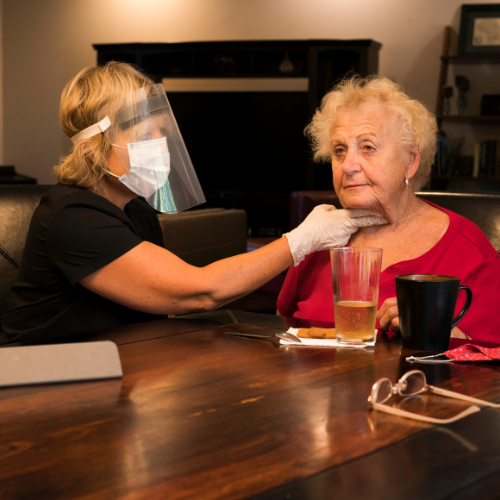
    We may work on breath coordination, posture, vocal exercises, manual therapy to reduce tension, and strategies to reduce harmful habits like throat clearing.

    You’ll also learn techniques to manage triggers and protect your voice in daily life.

  • 04 Is voice therapy a long-term process?

    Not always. Some patients benefit from just a few sessions with home strategies. Others, especially those recovering from more complex medical conditions, may need ongoing support.

    We’ll discuss a timeline that fits your needs and adjust based on how you respond to treatment.

  • 05 Is it normal for my voice to feel different after cancer treatment?

    Yes and you’re not alone. Treatments like surgery, radiation, or prolonged intubation can impact your vocal cords, breath support, and coordination.

    Voice changes are common, but they’re also treatable. Therapy can help you regain strength, clarity, and confidence.

Your voice is a muscle. Care for it like the rest of your body

Voice Wellness Therapy

Whether you’re a teacher, singer, coach, caregiver, or just someone who talks a lot, your voice works hard every day. But unlike sore muscles or back pain, vocal fatigue usually gets ignored... until it doesn’t. When your voice starts to feel tired, strained, or inconsistent, that’s your system waving a white flag.

Voice wellness is about staying ahead of the problem. It’s proactive, not reactive. It’s hydration that keeps your vocal folds flexible. It’s breathing that supports your voice instead of forcing it. It’s knowing when to rest, how to release tension, and how to break habits like throat clearing or talking over noise that slowly wear you down.

It’s also about managing stress. Because tight shoulders, a clenched jaw, and poor sleep all sneak their way into your sound whether you notice it or not. And when your body’s off, your voice usually follows.

For cancer patients, especially those undergoing treatment for head, neck, or lung cancers, voice health can be even more complex. Radiation, surgery, chemotherapy, or prolonged intubation can directly affect vocal fold mobility, breath support, and the ability to speak clearly or comfortably. We work closely with these patients before, during, and after treatment to preserve vocal function, minimize long-term damage, and rebuild strength and confidence in the voice.

At our clinic, we look at the whole system, sleep, nutrition, breath, movement, even mindset, and teach you how to protect your voice with simple, effective routines.

Awesome Image

10,000

Satisfied
Patients

success rate

30 %
What We Do

Our Specialties

Testimonials

What They’re Talking About Comapany?

Office Address

5594 E 146th St Suite 205
Noblesville, IN 46062

Phone : 844-656-4200