




Mary’s Story
Hospitalized weeks into treatment, Mary walked 14,000 steps at the Masters three months later — her story.
Build a high-impact cancer rehab program


Patient-focused programs and teams
We help hospitals, cancer centers, and outpatient rehab clinics design, launch, and optimize oncology PT & SLP programs. From pathways and protocols to billing, EMR templates, and clinician training. Your team gets the expertise it needs to deliver evidence-based cancer rehab at scale.
Most rehab teams aren’t equipped to handle the complexity of oncology patients. We bridge that gap. Our consultants specialize in cancer rehabilitation, supporting PTs, OTs, and SLPs with proven frameworks, standardized pathways, and billing/EMR integration that aligns with oncology care. Whether you’re building a new program, training staff, or improving referral flow, we’ll help you deliver sustainable, high-quality cancer rehab.
Call Us :
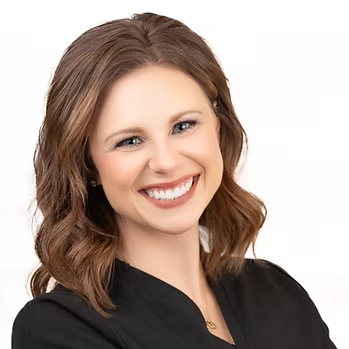
I started this consulting practice after seeing the same problem across cancer programs: oncology rehab services for PTs and SLPs were often an afterthought. Clinics had dedicated therapists but lacked oncology-specific pathways, standardized training, and referral systems that ensured patients actually received the care they needed.
With my background as a speech-language pathologist specializing exclusively in oncology, I’ve worked alongside PTs, OTs, and SLPs to build comprehensive programs from the ground up. My approach combines clinical expertise, program development, and operational strategy so your team isn’t just treating patients, you’re running a service line that is sustainable, billable, and outcomes-driven.
This work is about more than filling a gap, it’s about creating oncology rehab programs that grow, last, and make a measurable impact on both patient outcomes and clinic revenue.

Launching an oncology rehab program requires more than just hiring a therapist and opening a schedule. It requires a structured framework that addresses clinical pathways, referral flow, documentation, and sustainability from day one.
We guide you through a full needs assessment, analyzing current resources, patient volumes, and organizational goals, before building a customized program blueprint. This includes oncology-specific pathways for PTs, OTs, and SLPs, prehabilitation models, and survivorship care plans.
We also design staffing structures to match anticipated volumes, equipment lists for lymphedema and dysphagia care, and workflows that align with oncology timelines. By the time your program launches, your team has clear protocols, built-in referral pathways, and the operational backbone needed to succeed.
Instead of a fragmented service, you start with a program that is clinically credible, financially sound, and scalable.

Even the best-designed oncology rehab program fails if clinicians aren’t prepared to deliver specialized care. We provide structured education for PTs, OTs, and SLPs covering lymphedema management, head & neck dysphagia and voice rehabilitation, chemotherapy-induced peripheral neuropathy (CIPN), cancer-related fatigue, and pelvic oncology.
Training is designed to be practical, evidence-based, and adaptable to different levels of staff experience.
Our approach includes competency ladders so new therapists build foundational oncology skills while experienced clinicians expand into advanced care delivery. We provide mentorship frameworks, continuing education resources, and train-the-trainer models so your team can sustain knowledge growth long-term.
With our support, your program doesn’t just start strong—it continues to grow expertise year after year.

Clean documentation and defensible billing are the backbone of a sustainable oncology rehab program. Without them, even the best clinical outcomes won’t translate into financial stability.
We deliver oncology-specific documentation templates, CPT/ICD coding guides, and payer-approved medical necessity language that align with cancer-related impairments and treatment effects.
Our consulting process ensures your clinicians know exactly how to justify services, link diagnoses appropriately, and avoid costly denials. We also help administrators understand expected reimbursement models, authorization workflows, and revenue forecasting. By aligning documentation and billing with oncology rehab best practices, we help programs secure consistent reimbursement and prove value to both payers and leadership.

An oncology rehab program only works if it fits seamlessly into existing clinical workflows. We work directly with your operations team to embed oncology-specific order sets, smart phrases, and templates into your EMR system, whether it’s Epic, Cerner, Athena, or another platform. This reduces administrative burden on clinicians, improves referral capture, and ensures outcomes are tracked consistently.
Beyond EMR builds, we streamline daily workflows so therapists know exactly what to do from referral to discharge. Our goal is to eliminate guesswork and reduce inefficiency, allowing staff to focus on patient care. By the end of implementation, your team has a fully integrated system where referrals flow naturally, documentation is standardized, and outcomes are visible in real time.

Even the strongest oncology rehab programs can underperform without steady referral volume. We help you build a referral engine that ensures oncologists, surgeons, and primary care providers consistently direct patients to your team. This includes developing referral order maps, scripting and education for physicians, and in-service presentations for tumor boards and specialty groups.
We also design patient education materials and outreach strategies that empower survivors to self-advocate for rehab services. By building physician trust and raising awareness among patients, we help transform oncology rehab from a “nice-to-have” into a standard expectation of cancer care. This not only grows volumes but also cements your program’s reputation as an essential partner in oncology services.

Administrators and payers increasingly want proof that oncology rehab improves outcomes. We help you build systems that measure both clinical impact and operational success. This includes selecting and embedding patient-reported outcome measures (PROMs) like EAT-10, MDADI, FACT scales, and lymphedema assessments directly into workflows.
We also establish dashboards to track referral volumes, utilization, visit adherence, and discharge outcomes. These metrics help you run effective quality improvement initiatives and demonstrate your program’s value in hard numbers. Over time, your data not only supports internal growth but also strengthens external credibility, positioning your program as a leader in oncology rehabilitation.
With decades of combined experience building oncology rehab programs, our team understands what it takes to integrate PT and SLP services into cancer care. We don’t offer generic rehab advice, we design specialized pathways, referral systems, training modules, and documentation workflows that align with oncology treatment from diagnosis through survivorship.
This isn’t “extra care” — it’s an essential part of cancer treatment. And we help your team implement it with confidence.

We partner with hospitals, cancer centers, and outpatient rehab clinics that want to add or strengthen oncology rehabilitation services.
Whether you’re building a new program from the ground up or refining an existing service line, we adapt our consulting process to your team’s size, goals, and resources.
Not necessarily. While certified lymphedema therapists or oncology rehab specialists are valuable, they are not required.
We provide structured training, clinical pathways, and competency ladders that allow PTs, OTs, and SLPs to deliver safe, evidence-based care from day one while continuing to grow expertise over time.
We work directly with your operations team to create oncology-specific documentation templates, order sets, and outcome measures within your EMR system (Epic, Cerner, athena, and others).
This ensures referrals flow correctly, billing is clean, and your clinicians can spend more time with patients instead of fighting the system.
Our consulting spans the full continuum of care, prehabilitation, active treatment, and survivorship.
We specialize in programs for lymphedema, cancer-related fatigue, chemotherapy-induced peripheral neuropathy (CIPN), head & neck dysphagia/voice, pelvic oncology, and long-term functional recovery.
Timelines depend on scope, but most organizations see a structured plan within the first 30 days, staff training and workflows implemented in 6–8 weeks, and a go-live program within 90 days.
For optimization projects (not full launches), improvements can be made even faster.
Your oncology rehab program deserves to perform at the highest level. We help PTs, OTs, and SLPs deliver care that improves patient quality of life while also strengthening your clinic’s reputation, referral flow, and long-term sustainability.
With a 99% implementation success rate and more than 25,000 patients impacted across partner sites, our consulting approach has proven effective in building oncology rehab services that last. Every program we design is structured to integrate clean documentation, billing, and EMR workflows that reduce denials and maximize revenue.
Just as importantly, we equip your clinicians with the training and competencies they need to feel confident providing oncology-specific care. Oncology rehab isn’t an optional add-on, it’s an essential part of cancer treatment, and we help your team deliver it with consistency, measurable outcomes, and financial stability.

Satisfied
Patients
Hospitalized weeks into treatment, Mary walked 14,000 steps at the Masters three months later — her story.

Long before there was Cancer Rehab Group, there was a shared belief — formed over three different career paths working in oncology rehabilitation.

Summary: February marks National Cancer Prevention Month, making it the perfect time for women 40 and older to prioritize breast health and schedule a mammogram.