







Restoring Speech and Swallowing After Head and Neck Cancer
Head and neck cancer treatment can profoundly affect two functions most people take for granted: speaking and swallowing. This guide explores five evidence-based rehabilitation strategies


Targeted Treatment for Swallowing, Jaw Function, and Airway Protection
Swallowing difficulties, or dysphagia, are a common and often life-altering side effect of cancer treatment, especially for patients with head and neck cancers, neurological involvement, or who’ve undergone surgery or radiation near the throat, esophagus, or chest. Dysphagia can impact nutrition, hydration, airway safety, and overall quality of life if not addressed with specialized care.
At our clinic, we provide cancer-informed swallowing therapy built on advanced, evidence-based practices. We’re certified in the McNeil Dysphagia Therapy Program (MDTP) and trained in techniques such as manual therapy for swallowing, myofascial release, and expiratory muscle strength training (EMST). These tools target the core systems involved in chewing, swallowing, and airway protection.
For patients experiencing trismus/lockjaw, tightness, or limited opening due to radiation or surgical scarring, we offer specialized interventions including the ARK-J Program, a structured protocol for restoring jaw mobility and reducing pain with eating and speaking.
Treatment is tailored to each individual and may include hands-on therapy, progressive swallowing exercises, postural and breathing strategies, and strength-based protocols designed to improve function and reduce aspiration risk. Whether you’re dealing with dry mouth, delayed swallow, reduced chewing ability, or long-term feeding tube dependence, we help you move toward safer, more comfortable, and more independent swallowing.

Call Us :
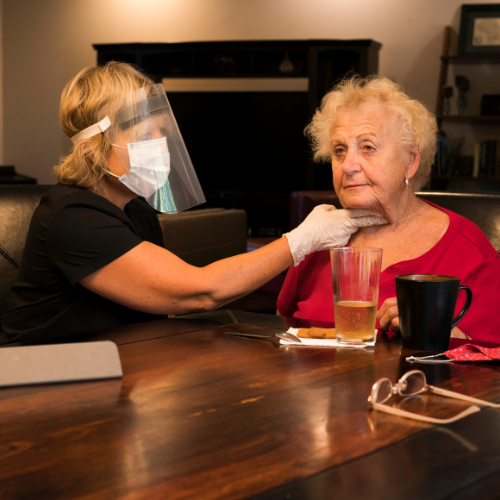
The McNeil Dysphagia Therapy Program (MDTP) is an evidence-based approach designed to improve swallowing in adults with moderate to severe dysphagia. Unlike traditional methods that offer short-term relief, MDTP targets the root of the problem, retraining the muscles and coordination needed for safe, efficient swallowing.
MDTP-certified therapists guide patients through structured, progressive exercises using real food and liquid. This functional, task-specific method helps restore swallowing in a way that’s both safe and measurable.
At our clinic, MDTP is a core part of dysphagia care for cancer survivors, especially those recovering from head and neck treatment, radiation, or prolonged feeding tube use. It supports better airway protection, reduces aspiration risk, and helps patients move toward more independent, confident eating.
If swallowing has become difficult after cancer treatment, MDTP offers a clinically proven path to rebuild function and restore quality of life.
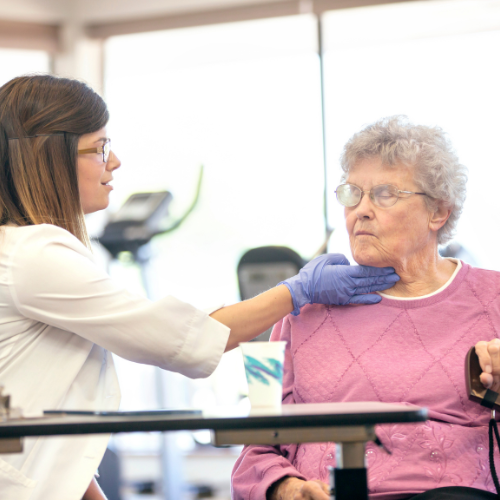
Manual therapy for swallowing is a specialized, hands-on treatment designed to address muscle tension, restricted mobility, and poor coordination in the head, neck, jaw, and throat, all common challenges after cancer treatment.
Radiation, surgery, and prolonged immobility can lead to soft tissue stiffness, scarring, and muscular dysfunction that affect the strength and timing of the swallow. These changes may cause discomfort, reduced laryngeal elevation, difficulty chewing, or increased aspiration risk.
Our therapists use gentle, targeted techniques to release tension and restore mobility in key areas like the larynx, hyoid bone, jaw, and upper cervical spine. This helps improve swallowing efficiency, airway protection, and comfort during meals, especially for patients recovering from head and neck cancer or those experiencing radiation fibrosis.
Manual therapy is often integrated with active swallowing exercises and breathwork to support neuromuscular retraining and long-term function. For cancer survivors dealing with tightness, trismus, or post-surgical limitations, it can be a critical part of regaining safe, effective swallowing.
If eating has become difficult, painful, or frustrating after cancer care, manual therapy can help you move forward safely, gently, and with expert support.
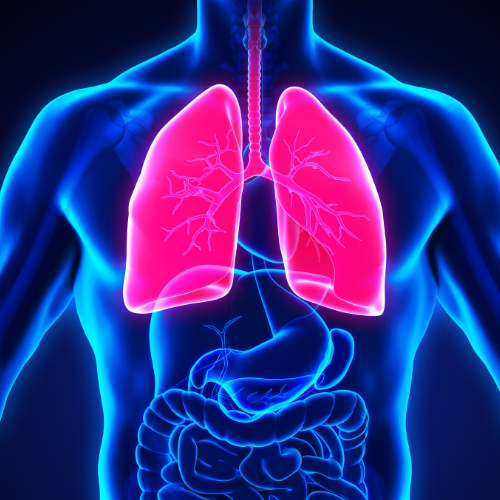
Cancer treatment, especially head and neck radiation, surgery, or prolonged hospitalization, can weaken the respiratory muscles that support safe swallowing, strong coughing, and airway protection. This can increase the risk of aspiration, lead to vocal fatigue, and reduce your ability to breathe or speak comfortably during daily activities.
Respiratory Strength Training, delivered through devices like the Expiratory Muscle Strength Trainer (EMST), is a proven therapy designed to target and strengthen the muscles involved in breathing and swallowing. Using a handheld device that adds resistance during exhalation, patients perform structured exercises to improve cough strength, breath control, airway clearance, and swallow coordination.
This type of training is particularly valuable for cancer survivors with dysphagia, reduced voice projection, or compromised airway function after treatment. EMST is safe, measurable, and supported by strong clinical evidence. It’s often integrated into a larger swallowing therapy plan to improve overall function and reduce complications.
If you’re recovering from cancer and experiencing difficulty swallowing, a weak voice, or trouble clearing your throat, respiratory strength training can help you regain strength, safety, and confidence.
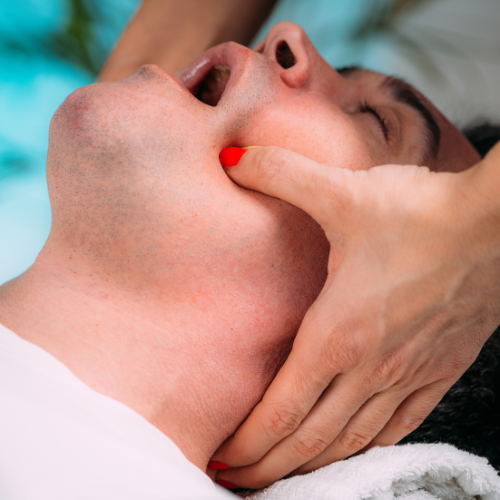
Jaw pain, tightness, and limited opening, also known as trismus, are common side effects of cancer treatment, especially following head and neck radiation, surgery, or prolonged intubation. These changes can make everyday tasks like eating, speaking, or even yawning painful and difficult.
The ARK-J Program is a specialized, evidence-based approach for evaluating and treating jaw dysfunction in cancer survivors. As certified ARK-J providers, we follow a structured protocol that includes manual therapy, mobility training, and progressive jaw stretching, targeted to restore range of motion, reduce tension, and improve overall function.
Treatment is personalized to your needs, based on your pain levels, current jaw mobility, and recovery goals. Whether you’re struggling to chew, speak clearly, or support your swallowing, we design your care plan to help you regain control and comfort.
Jaw mobility is also essential for safe, effective swallowing. That’s why the ARK-J Program is often integrated into our swallowing therapy plans, helping you not just move better, but eat and speak with more ease and confidence as you recover.

Jaw tightness, pain, and restricted movement are common after cancer treatment, especially for patients who have undergone radiation, surgery, or prolonged intubation related to head, neck, or oral cancers. These issues aren’t just frustrating, they can interfere with essential daily functions like chewing, speaking, swallowing, and even oral hygiene.
Radiation and surgery can create scar tissue, fibrosis, and muscle imbalance, leading to trismus (limited jaw opening) and persistent tension in the jaw, face, neck, and shoulders. This tightness often impacts recovery and quality of life long after treatment ends.
Our therapists use specialized manual therapy and myofascial release techniques to address these soft tissue restrictions. We target key muscles like the masseter, temporalis, pterygoids, and cervical musculature, releasing tension, improving circulation, and restoring functional jaw movement. These gentle, hands-on treatments help reduce pain, improve range of motion, and support safer, more comfortable eating and communication.
This therapy often complements other interventions such as swallowing rehab, voice therapy, and the ARK-J program, creating a comprehensive plan that addresses the full impact of cancer treatment on jaw and facial function.
With over 85 years of combined experience working exclusively with cancer patients, our team knows what it takes to support your body through treatment, recovery, and everything in between.
This isn’t general therapy. These are cancer rehab specialists who understand the challenges, side effects, and real-life impact of cancer-and have the tools to help you feel stronger, safer, and more in control, no matter your diagnosis or stage

Cancer treatments with radiation, surgery, or chemotherapy affecting the head, neck, or chest, can damage the muscles and nerves that coordinate swallowing.
This can lead to difficulty chewing, throat tightness, aspiration risk, or a feeling of food “getting stuck.” These symptoms are common, but they’re also highly treatable with the right therapy.
The McNeil Dysphagia Therapy Program (MDTP) is a research-backed approach to treating moderate to severe swallowing disorders. It uses real food and functional tasks to retrain safe, efficient swallowing.
For cancer survivors, MDTP offers a structured way to rebuild strength and coordination, reduce aspiration risk, and move toward more independent eating.
Yes. Jaw tightness, or trismus, is a common side effect of head and neck cancer treatment.
We use targeted therapies like manual therapy, myofascial release, and the ARK-J Program to relieve tightness, reduce pain, and restore jaw mobility so you can chew, speak, and swallow more comfortably.
Not at all. We treat patients at every stage, before, during, and long after cancer treatment.
Whether you’re dealing with new symptoms or struggling with long-term effects years later, swallowing therapy can still be highly effective in restoring comfort, safety, and confidence.
Absolutely. Many patients come to us while relying on feeding tubes. Our goal is to reduce that dependence safely and gradually, by retraining the muscles and reflexes involved in swallowing.
With consistent, personalized care, many individuals regain enough function to return to oral eating, fully or in part.
Swallowing is one of the most complex things your body does, and cancer treatment can interrupt every part of that process. Radiation, surgery, chemotherapy, or prolonged intubation can leave lasting effects on the muscles, nerves, and structures that control safe, comfortable eating. When those systems break down, it’s not just about food. It’s about safety, nutrition, independence, and quality of life.
We treat swallowing disorders with a comprehensive, oncology-informed approach that reflects the complexity of what you’re facing. That means addressing not just the swallow itself, but everything that supports it. Jaw mobility, respiratory strength, postural control, muscle coordination, and scar tissue restrictions.
Our therapy integrates evidence-based interventions like MDTP (McNeil Dysphagia Therapy Program), manual therapy, myofascial release, the ARK-J protocol for jaw mobility, and respiratory muscle training when appropriate. We don’t isolate one symptom, we look at how your entire system is working and where it’s struggling, so we can restore function in a way that’s actually sustainable.
This work is personal. Every plan is customized, every decision built around your diagnosis, your history, and your goals. We help you regain control of something that used to be automatic, so eating feels less like a risk and more like a return to normal life.

Satisfied
Patients
Head and neck cancer treatment can profoundly affect two functions most people take for granted: speaking and swallowing. This guide explores five evidence-based rehabilitation strategies
Summary Clear communication is one of life’s most vital connections — and like any aspect of health, it benefits from proactive care. This article explores

Summary Cancer treatment can bring unexpected changes to your voice and speech, affecting everything from daily conversations to swallowing safely. Understanding why these changes happen