



Manage Swelling. Regain Comfort. Improve Function
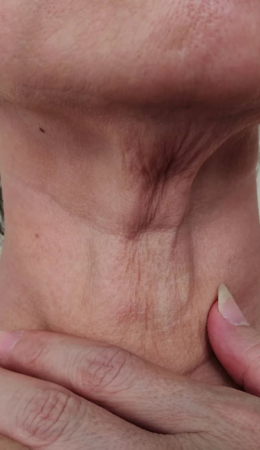
Specialized Care for Persistent Swelling and Long-Term Relief
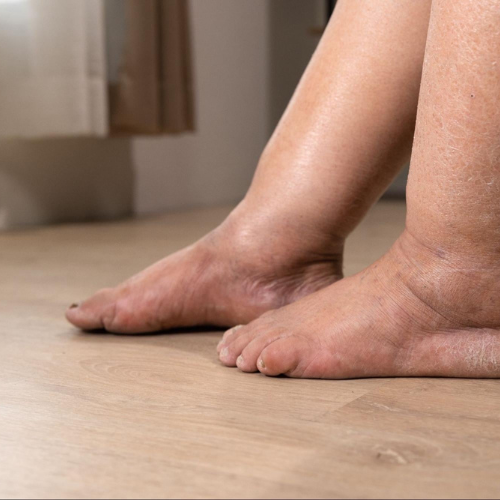
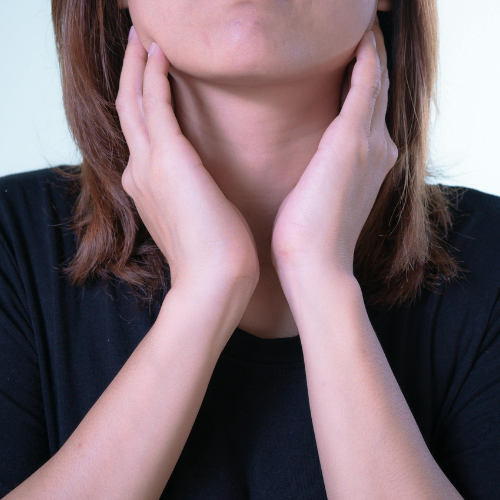
Lymphedema is more than just swelling. It’s a chronic condition that requires ongoing, targeted care. Often triggered by cancer treatments such as surgery, radiation, or lymph node removal, lymphedema can lead to discomfort, heaviness, restricted movement, and increased infection risk if not properly managed. That’s why early intervention and a consistent treatment plan are key.
At our clinic, we take a comprehensive approach. Our licensed therapists use manual lymphatic drainage (MLD) to gently stimulate lymph flow, reduce fluid buildup, and support natural drainage pathways. But the care doesn’t stop there. We also provide tailored education on compression strategies, mobility and strength exercises, self-care routines, and long-term techniques to manage symptoms and prevent progression.
Your treatment plan is personalized, based on where you are in your recovery, the severity of your symptoms, and your lifestyle. Whether you’re newly diagnosed or have been living with lymphedema for years, we’re here to guide you through each phase with expert support and practical tools.
Our goal is simple: help you reduce swelling, regain function, and take back control over your body, so you can move through life with more ease and less limitation.

Call Us :
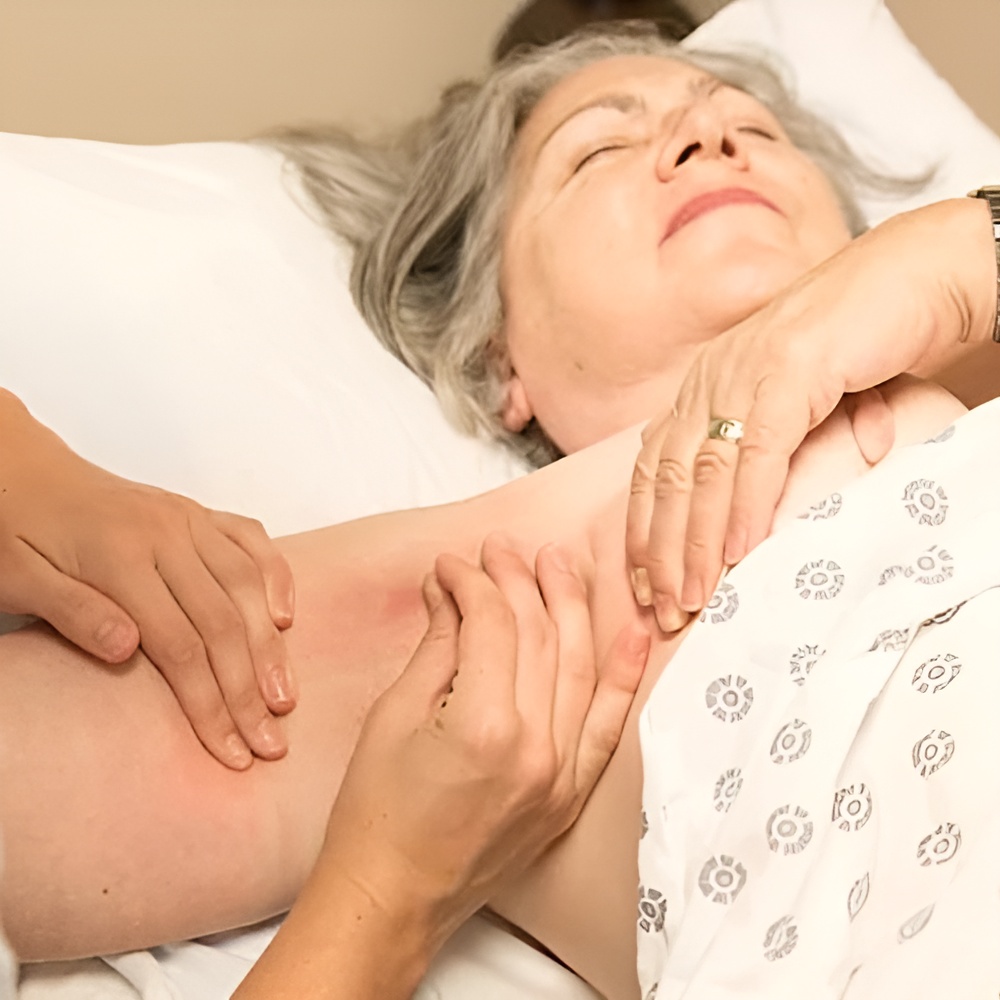
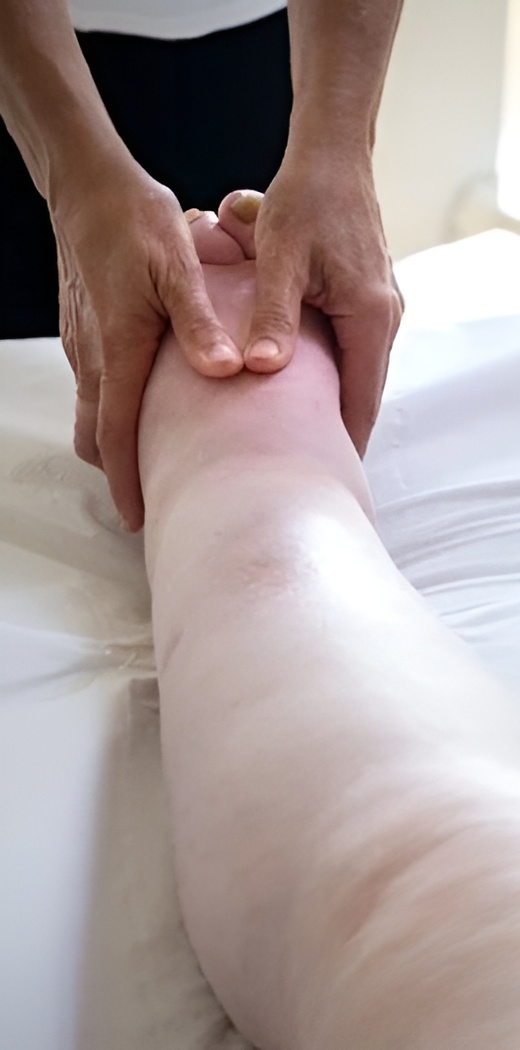
Manual Lymphatic Drainage (MLD) is a specialized, hands-on technique designed to stimulate the lymphatic system and promote the movement of fluid throughout the body. Using precise, gentle strokes, trained therapists guide stagnant lymph fluid toward healthy lymph nodes, helping reduce swelling, improve circulation, and support immune function.
This technique is especially effective for individuals experiencing lymphedema, post-surgical swelling, or fluid retention following cancer treatment. Unlike traditional massage, MLD works on a much lighter pressure and a slower rhythm, specifically designed to assist the delicate lymph vessels without triggering pain or tissue strain.
MLD is often combined with other therapies, like compression, movement-based rehab, and self-care strategies, to create a complete, long-term management plan. Patients often report not only reduced swelling but also improved comfort, softer tissues, and greater ease in daily movement.
Whether you’re recovering from surgery, managing chronic swelling, or seeking a proactive approach to fluid balance, MLD offers a safe method to support your body’s natural healing process.
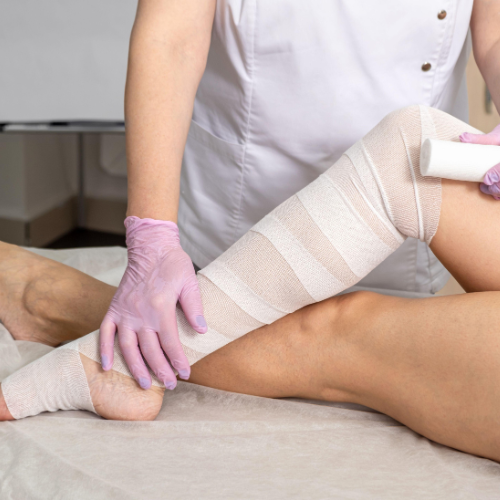
Compression therapy is a key component of lymphedema care and swelling management. It involves the use of specially designed garments, bandages, or pneumatic devices that apply controlled pressure to affected areas, typically the arms, legs, or toros. This external support helps encourage lymphatic flow, prevent fluid buildup, and maintain the results achieved through manual lymphatic drainage and exercise.
At our clinic, we assess your specific needs to determine the most appropriate type of compression, whether it’s short-stretch bandaging in early stages, custom-fitted compression garments for daily wear, or intermittent pneumatic compression devices for home use. We’ll also ensure you know how to apply and care for these tools safely and effectively.
Compression therapy is not one-size-fits-all. The right pressure, fit, and consistency are essential to getting real, lasting results without discomfort or skin issues. When used as part of a comprehensive plan, compression can significantly reduce swelling, improve mobility, and help you stay ahead of flare-ups.
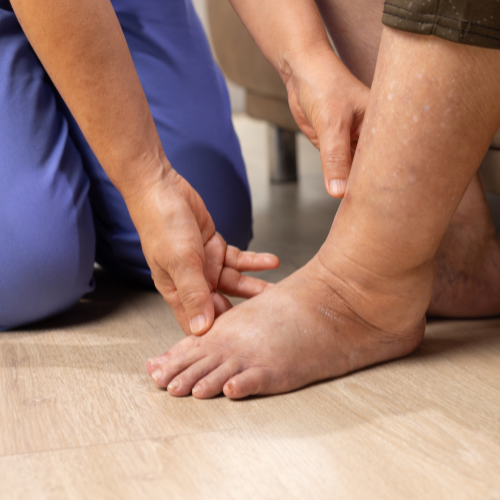
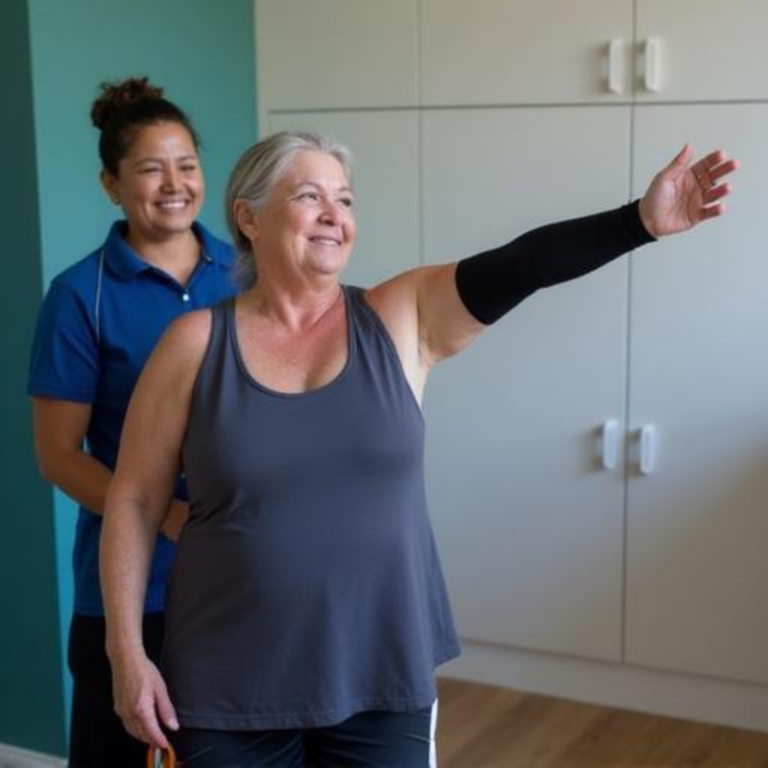
Exercise plays a critical role in managing lymphedema and promoting long-term recovery after cancer treatment. But not all movement is created equal, especially when swelling, fatigue, or post-surgical limitations are involved. That’s where therapeutic, guided exercise comes in.
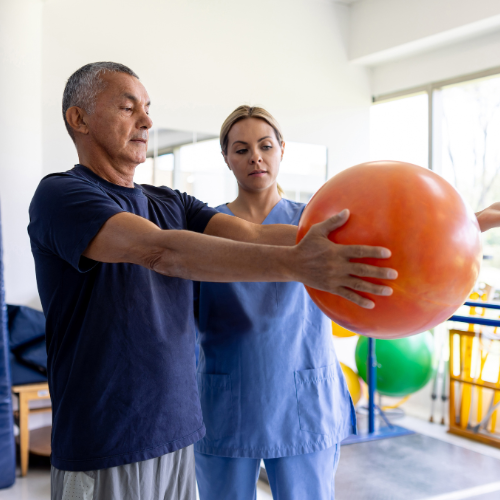
Our clinicians design individualized exercise programs that focus on improving mobility, strength, posture, and circulation while supporting the lymphatic system and minimizing strain. These movements are low-impact, progressive, and tailored to your diagnosis, treatment history, and current abilities. We integrate breathwork, stretching, resistance training, and functional movement to help restore your physical capacity without overwhelming your system.
Exercise therapy also improves tissue health, reduces the risk of flare-ups, and enhances overall quality of life, helping you return to daily tasks, work, or physical activity with greater confidence and fewer limitations.
Whether you’re managing chronic swelling or recovering from surgery, we make sure your movement plan works with your body, not against it.
With over 85 years of combined experience working exclusively with cancer patients, our team knows what it takes to support your body through treatment, recovery, and everything in between.
This isn’t general therapy. These are cancer rehab specialists who understand the challenges, side effects, and real-life impact of cancer-and have the tools to help you feel stronger, safer, and more in control, no matter your diagnosis or stage
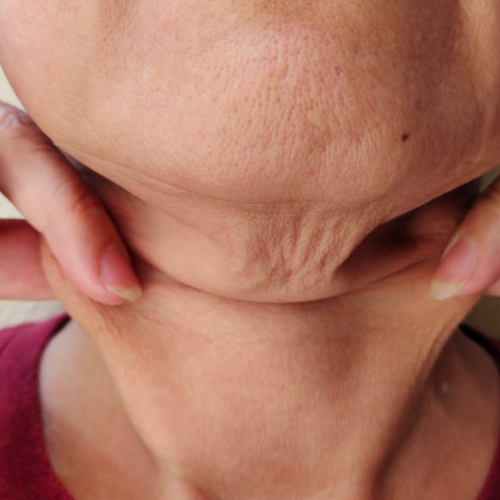
Lymphedema often develops when lymph nodes are removed or damaged during cancer treatment, especially surgery or radiation.
These changes can block normal lymph flow, causing fluid buildup that leads to swelling, heaviness, and discomfort sometimes weeks, months, or even years after treatment ends.
We use a comprehensive treatment plan that includes Manual Lymphatic Drainage (MLD), Compression Therapy, and Exercise Therapy.
Together, these techniques reduce swelling, improve mobility, and help your body manage lymph flow more effectively.
Treatment is always customized based on your diagnosis, symptoms, and where you are in your cancer recovery.
The earlier, the better. Lymphedema can appear before, during, or long after cancer treatment so we recommend starting as soon as swelling, tightness, or heaviness appears.
Early intervention helps prevent progression, improves long-term outcomes, and gives you better tools to manage symptoms confidently.
No. Lymphedema therapy is gentle, hands-on, and non-invasive.
Techniques like Manual Lymphatic Drainage use light, rhythmic movements to stimulate fluid flow, while compression and exercise are introduced gradually based on your comfort and goals.
Most clients find treatment soothing and empowering and not painful.
Lymphedema is a chronic condition, but with the right care, it can be managed effectively. Our goal isn’t just short-term relief it’s long-term stability.
With consistent treatment and self-care, many people maintain low symptom levels and high quality of life. We’ll give you the tools and strategies to take control of your condition, day to day.
Managing lymphedema related to cancer isn’t about a single technique, it’s about using the right tools, at the right time, for the right person. Whether you’re preparing for treatment, actively undergoing care, or recovering after surgery or radiation, lymphedema can appear at any stage of the cancer journey. When lymph nodes are removed or damaged, the body’s ability to move lymphatic fluid is compromised, leading to swelling, heaviness, and reduced mobility.
That’s why our treatment plans take a comprehensive, evidence-based approach. We combine Manual Lymphatic Drainage (MLD), Compression Therapy, and Exercise Therapy to reduce swelling, restore function, and help you regain a sense of control before, during, and after cancer treatment.
Manual Lymphatic Drainage is a gentle, hands-on technique that encourages fluid movement through the lymphatic system. It helps reduce congestion, soften tissues, and ease discomfort, especially in areas affected by surgery or radiation.
Compression Therapy helps maintain these results by preventing fluid from building back up. Using medical-grade garments, bandaging, or pneumatic pumps, compression supports daily symptom control and long-term management.
Exercise Therapy strengthens the entire system, improving circulation, mobility, and lymphatic flow through guided, safe movement. It's essential for regaining strength, reducing fatigue, and supporting overall recovery.
When used together, these therapies provide both immediate relief and sustainable, long-term management. Every plan is personalized to your cancer history, lymphedema stage, and daily life—so you can move forward with confidence and feel better in your body.

Satisfied
Patients