



The Patient’s Guide to Cancer Rehab: Physical, Speech, and Cognitive Therapies
Summary Cancer rehabilitation helps you get stronger and feel better during and after cancer treatment. It includes exercises for your body, help with speaking and
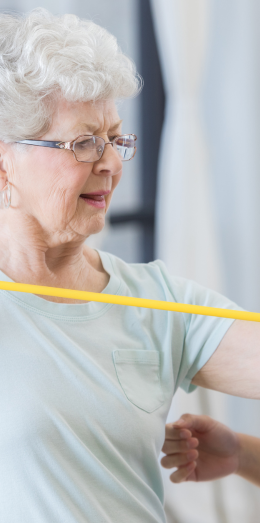

Cancer shouldn't tear you down. Let us help you fight back!
As a cancer rehabilitation clinic, we provide specialized support for survivors and those in active treatment. Our expert care extends to anyone ready to fight back, move better, feel stronger, and stay ahead of injury.
Cancer treatments can take a toll on the body, turning ordinary tasks into taxing efforts. Chemo-induced neuropathy, axillary web syndrome, cancer-related fatigue, balance disorders, radiation fibrosis, and loss of strength are just a few examples of the side effects that can come with treatment. As an integrated cancer rehab clinic, our oncologic physical therapists and supportive care team provide specialized support to address those cancer-specific symptoms, whether you’re in active treatment or recovery.
Through proactive screenings and personalized 1:1 therapy, we address imbalances, restore function, and help you live pain-free, whether you’re preparing for treatment, working to maintain strength during care, recovering afterward, training for life, or just trying to keep up.
Using proven techniques like Functional Movement Systems and Manual Therapy, we target the root cause of your pain and dysfunction, creating a personalized plan that meets your specific needs. Our mission is to help you restore your overall health and wellbeing so you can confidently feel and function at your best.
Call Us :

The Functional Movement System is a comprehensive approach used to evaluate movement patterns and identify areas of imbalance, weakness, or limited mobility.
Our therapists are certified in FMS (Functional Movement Screen), SFMA (Selective Functional Movement Assessment), and the Y-Balance Test, all designed to assess how well your body moves, compensates, and stabilizes during everyday activities.
These tools help us detect problems that may not show up on imaging or in a standard exam but still impact your ability to move safely and efficiently.
Whether you’re recovering from cancer treatment, surgery, or simply trying to return to normal activity, understanding your baseline movement is key to building a therapy plan that prevents injury, restores function, and supports long-term progress.
This movement-based assessment is especially useful for tailoring care to your individual needs, whether that’s improving balance, reducing fall risk, restoring strength, or addressing compensations that developed during treatment.
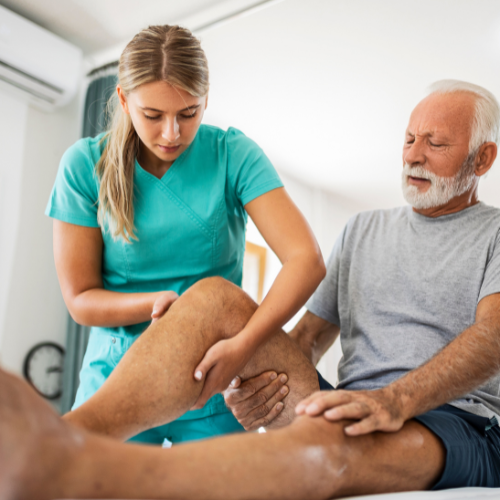
Orthopedic Manual Therapy is a specialized, hands-on approach used to treat joint pain, stiffness, and movement limitations. It involves skilled techniques, like joint mobilization, soft tissue work, and passive stretching, that help reduce pain, improve mobility, and restore proper function.
For patients recovering from cancer treatment or surgery, manual therapy can make a significant difference in how your body feels and functions. It’s especially useful for managing tightness, radiation fibrosis, postural strain, or compensation patterns that develop during recovery.
This isn’t a generic massage or quick fix. It’s precise, therapeutic work delivered by trained clinicians who understand the complexity of the musculoskeletal system and how to support healing safely, effectively, and in alignment with your overall rehab plan.
Whether you’re dealing with chronic pain or simply trying to move without restriction again, Orthopedic Manual Therapy helps create the foundation for long-term progress.
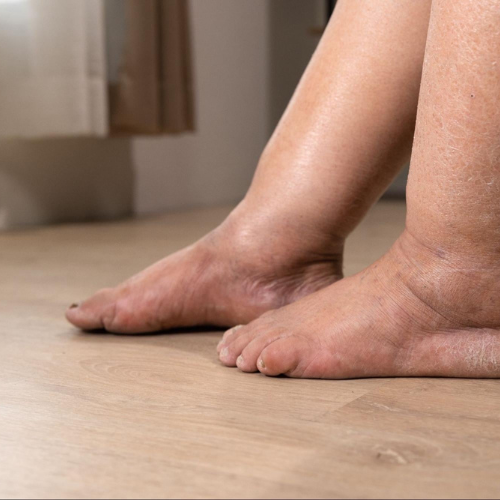
Lymphedema is more than just swelling. It’s a chronic condition that requires ongoing, targeted care. Often triggered by cancer treatments such as surgery, radiation, or lymph node removal, lymphedema can lead to discomfort, heaviness, restricted movement, and increased infection risk if not properly managed. That’s why early intervention and a consistent treatment plan are key.
At our clinic, we take a comprehensive approach. Our licensed therapists use manual lymphatic drainage (MLD) to gently stimulate lymph flow, reduce fluid buildup, and support natural drainage pathways. But the care doesn’t stop there. We also provide tailored education on compression strategies, mobility and strength exercises, self-care routines, and long-term techniques to manage symptoms and prevent progression.
Your treatment plan is personalized, based on where you are in your recovery, the severity of your symptoms, and your lifestyle. Whether you’re newly diagnosed or have been living with lymphedema for years, we’re here to guide you through each phase with expert support and practical tools.
With over 85 years of combined experience working exclusively with cancer patients, our team knows what it takes to support your body through treatment, recovery, and everything in between.
This isn’t general therapy. These are cancer rehab specialists who understand the challenges, side effects, and real-life impact of cancer-and have the tools to help you feel stronger, safer, and more in control, no matter your diagnosis or stage

Even if you're not currently experiencing pain, cancer treatment can cause subtle changes in strength, balance, mobility, and posture.
These changes often go unnoticed until they lead to discomfort or injury.
Preventative physical therapy helps catch and correct issues early before they become long-term problems.
We perform a detailed movement assessment to evaluate your posture, flexibility, strength, and functional movement patterns.
This includes identifying any imbalances, restrictions, or compensation habits your body has developed during or after treatment.
Based on what we find, we create a personalized plan to help you move better and stay strong.
Surgery, radiation, and chemotherapy can impact muscle tone, joint mobility, balance, and coordination. Scar tissue, fatigue, and inactivity during treatment can also lead to long-term weakness or tightness.
Our therapy helps address these effects and supports your body’s ability to move, heal, and adapt safely.
Yes. It’s never too late to benefit from therapy. Whether you finished treatment last month or years ago, we can help address lingering issues or prevent new ones from developing.
Many survivors come to us looking to regain strength, reduce stiffness, or feel more confident in their movement again.
We use a variety of evidence-based techniques including, Functional Movement Systems (FMS), and Manual Therapy to address cancer specific symptoms.
These approaches allow us to identify the root causes of dysfunction and create targeted treatment plans that promote long-term mobility, safety, and performance.
Physical therapy isn't just for treating pain, it's also a powerful tool for prevention. For cancer patients and survivors, this means identifying how treatment is impacting (or has impacted) your strength, mobility, and movement patterns before those changes turn into long-term issues.
Cancer treatments like surgery, chemotherapy, and radiation can affect posture, balance, muscle function, and joint mobility. These changes don't always show up as pain right away, but they can increase the risk of falls, injuries, or chronic discomfort over time. That's where preventative care comes in, whether you're currently in treatment or years beyond it.
For those in active treatment, preventative therapy helps you maintain strength, stay mobile, and reduce the severity of side effects as they develop. You don't have to wait until treatment ends to start protecting your body.
Using detailed movement screening and functional assessments, we evaluate how your body is recovering and adapting. If we see muscle imbalances, weakness, or limited range of motion, we build a targeted plan to correct them so you can move with more strength, control, and confidence.
Whether your goal is to return to work, stay active, avoid re-injury, or simply feel more at home in your body again, preventative therapy gives you the tools to protect your progress and support long-term recovery. It's not just about avoiding future problems. It's about setting a stronger foundation for everything that comes next.
Satisfied
Patients
Summary Cancer rehabilitation helps you get stronger and feel better during and after cancer treatment. It includes exercises for your body, help with speaking and