
Tailored Exercise Programs for Effective Cancer Rehabilitation: How Personalized Plans Improve Recovery and Quality of Life
Cancer-related fatigue affects up to 100 percent of individuals undergoing treatment, and generic exercise routines often fall short of meeting the unique needs of survivors. In this guide, you’ll learn how cancer rehabilitation exercise programs can restore strength, reduce side effects, and boost overall well-being through personalized planning. We’ll define tailored programs, explore proven benefits for fatigue, mental health, bone density, and recurrence risk, detail side-effect-specific exercises, outline cancer-type customization, present safety and progression strategies, review official guidelines, and reveal where to find certified specialists. By the end, you’ll understand how customized exercise enhances recovery and quality of life, and how our network at cancer.rehab connects you to expert providers.
What Are Tailored Exercise Programs in Cancer Rehabilitation?
Tailored exercise programs in cancer rehabilitation are structured physical activity plans designed around an individual’s diagnosis, treatment history, fitness level, and symptom profile, ensuring safe and effective recovery through personalized progression and monitoring. For example, a breast cancer survivor with lymphedema therapy may follow a combined resistance-and-manual-therapy routine unique to her lymphatic drainage needs.
How Is Cancer Rehabilitation Defined and Why Is It Important?
Cancer rehabilitation is the medical specialty that restores physical, emotional, and functional capabilities lost or impaired by cancer and its treatment, improving quality of life and enabling return to daily activities. By addressing deconditioning, pain, and neuropathy, oncology rehabilitation supports faster recovery, reduces hospital readmissions, and fosters patient empowerment.
This focus on whole-person recovery sets the stage for designing exercise regimens that address each patient’s distinct challenges and goals.
What Makes an Exercise Program Tailored for Cancer Patients?
- Medical Condition: type of cancer, stage, treatment modalities
- Physical Capacity: baseline strength, range of motion, cardiovascular endurance
- Symptom Burden: fatigue level, pain intensity, lymphedema presence
- Personal Goals: functional targets, lifestyle preferences, risk reduction
Each factor informs exercise selection, intensity, frequency, and progression, ensuring that plans improve strength and mobility without triggering complications.
Who Are Cancer Exercise Specialists and Oncology Physical Therapists?
Cancer exercise specialists are certified professionals trained in oncology rehabilitation and exercise oncology who collaborate with oncology physical therapists to prescribe and supervise safe, evidence-based activity plans. Oncology physical therapists hold advanced certifications in cancer rehab, know how to manage side effects like lymphedema and neuropathy, and adjust protocols according to treatment schedules, ensuring continuity of care and optimal outcomes.
Their expertise bridges clinical oncology and exercise science, enabling truly personalized rehabilitation.
How Does Exercise Benefit Cancer Patients During and After Treatment?

Exercise benefits cancer patients by improving energy levels, mood, and musculoskeletal health through mechanisms like endorphin release, muscle hypertrophy, and skeletal loading, thereby enhancing recovery and reducing long-term risks. For instance, moderate walking plus resistance training has been shown to cut cancer-related fatigue by half compared to inactivity.
Benefits of Exercise for Cancer Patients
Exercise has been shown to improve energy levels, mood, and musculoskeletal health in cancer patients. Studies indicate that moderate exercise, such as walking combined with resistance training, can significantly reduce cancer-related fatigue.
Doyle, C., et al., “Exercise for Cancer Patients” (2022)
This research supports the article’s claims about the positive effects of exercise on cancer patients’ well-being.
What Are the Proven Benefits of Exercise for Cancer-Related Fatigue?
Exercise reduces cancer-related fatigue by increasing mitochondrial efficiency, improving sleep quality, and enhancing circulation to fatigued muscles. Key benefits include:
- Enhanced Energy Levels: Aerobic activity stimulates mitochondrial biogenesis and oxygen delivery.
- Improved Sleep: Regular exercise regulates circadian rhythms and deep-sleep phases.
- Reduced Inflammation: Activity lowers pro-inflammatory cytokines that exacerbate fatigue.
These mechanisms translate into up to a 40 percent reduction in fatigue severity for many survivors.
How Does Exercise Improve Mental Health in Cancer Survivors?
Physical activity enhances mental health by promoting endorphin and serotonin production, reducing anxiety and depressive symptoms that often accompany cancer diagnosis and treatment. Structured routines like yoga and wellness deliver:
- Mood Stabilization through neurotransmitter balance
- Stress Reduction via mindful movement
- Cognitive Clarity by improving cerebral blood flow
This combination fosters resilience and emotional well-being throughout recovery.
Can Exercise Enhance Bone Health and Prevent Osteoporosis in Cancer Patients?
Resistance and weight-bearing exercises enhance bone mineral density by stimulating osteoblast activity and mechanical loading, counteracting treatment-induced bone loss.
| Exercise Type | Attribute | Value/Mechanism |
|---|---|---|
| Squats | Load-bearing | Stimulates hip and spine osteogenesis |
| Resistance Band Rows | Muscle contraction | Increases mechanical stress on vertebral bone |
| Heel Raises | Ankle dorsiflexion | Promotes tibial and talar bone remodeling |
Strengthening skeletal structure through such routines supports mobility and lowers fracture risk, seamlessly linking bone health to overall functional recovery.
How Does Physical Activity Reduce Cancer Recurrence Risk?
Regular exercise reduces recurrence risk by modulating insulin sensitivity, decreasing circulating growth factors, and improving immune surveillance. Meta-analyses show that survivors engaging in 150 minutes of moderate-intensity activity weekly have up to a 25 percent lower risk of breast and colorectal cancer recurrence. This protective effect emphasizes exercise as a vital long-term preventive strategy.
Exercise and Cancer Recurrence Risk
Regular physical activity can reduce the risk of cancer recurrence by influencing insulin sensitivity, growth factors, and immune function. Research suggests that engaging in moderate-intensity exercise for 150 minutes per week can lower the risk of recurrence for certain cancers.
American Cancer Society, “Exercise and Cancer” (2023)
This citation reinforces the article’s point about the protective effects of exercise in reducing cancer recurrence risk.
Which Exercises Are Recommended for Managing Common Cancer Treatment Side Effects?
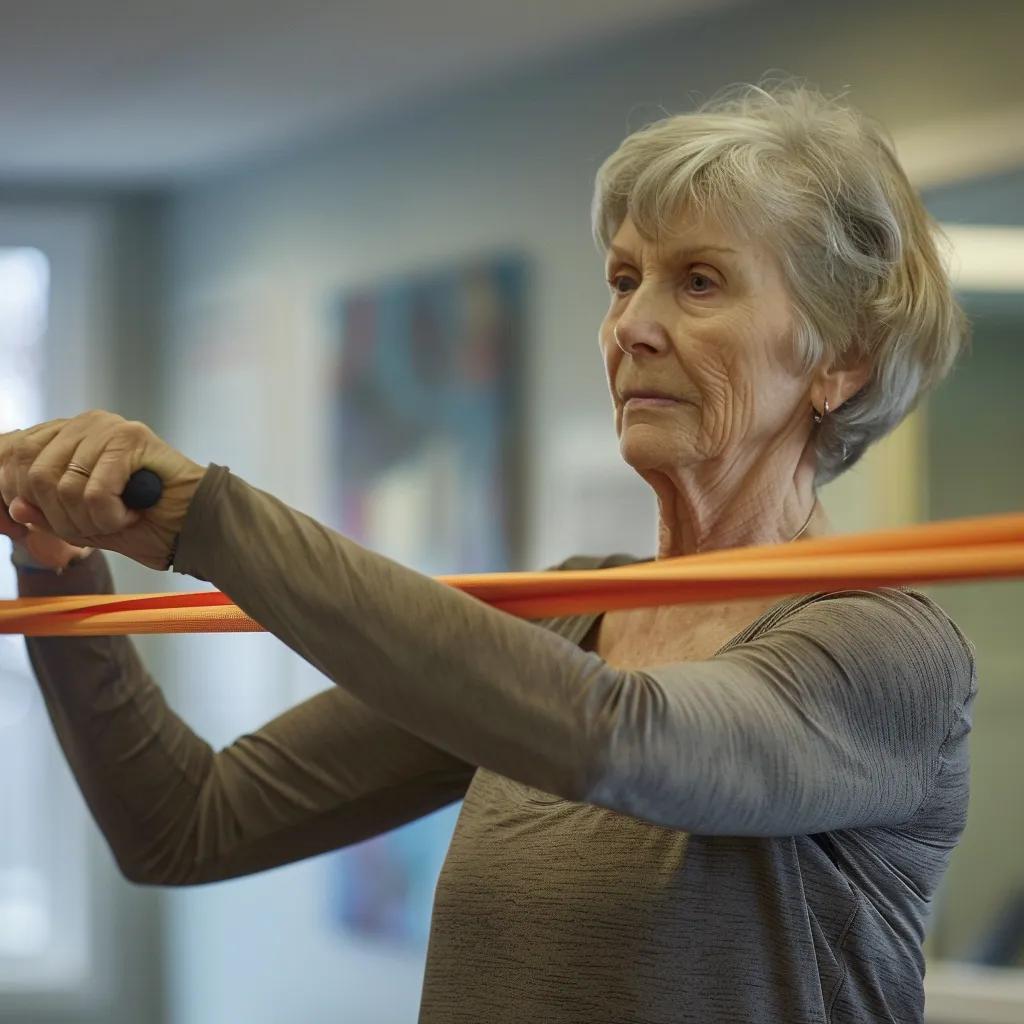
Therapeutic exercises target specific side effects by leveraging tailored modalities—such as aerobic, resistance, balance, and manual techniques—to address fatigue, lymphedema, neuropathy, and bone loss.
What Are Effective Exercises for Cancer-Related Fatigue?
Managing fatigue involves a combination of aerobic, resistance, and mind-body practices that gradually build endurance and strength.
| Exercise Category | Attribute | Example Protocol |
|---|---|---|
| Aerobic | Moderate intensity | 10 min walking, increasing to 30 min |
| Resistance | Low-to-moderate load | 2 sets of 10 bodyweight squats twice weekly |
| Mind-Body (Yoga) | Gentle stretching | 20 min restorative yoga sessions |
These activities promote mitochondrial recovery and psychological uplift, preparing patients for more advanced rehabilitation phases.
How Can Exercise Help Manage Lymphedema in Cancer Patients?
Controlled resistance training combined with manual lymphatic drainage enhances lymph flow and reduces swelling. Recommended interventions include:
- Light arm cycling with compression garments
- Gradual weighted shoulder abduction (1–2 lbs)
- Deep breathing exercises to promote thoracic duct function
Consistent application of these exercises supports fluid mobilization and limb function.
What Balance and Strength Exercises Alleviate Chemotherapy-Induced Peripheral Neuropathy?
Balance training and targeted strengthening improve proprioception and nerve-muscle coordination, reducing neuropathy symptoms. Key exercises:
- Heel-to-toe walking to enhance balance reflexes
- Single-leg stands for vestibular adaptation
- Calf raises and ankle circles to strengthen distal muscles
These interventions mitigate falls risk and restore functional confidence.
Which Resistance Training Exercises Support Bone Health During Cancer Recovery?
Progressive resistance activities load weight-bearing structures to stimulate bone formation. Top exercises:
- Goblet Squats with dumbbell load
- Deadlifts using resistance bands
- Weighted Step-Ups onto low platform
This sequence systematically targets major skeletal regions to reinforce bone density and structural integrity.
How Are Tailored Exercise Programs Designed for Different Cancer Types?
Exercise prescriptions vary by cancer type, anatomical considerations, and treatment effects, ensuring targeted rehabilitation and risk management.
What Are the Best Exercise Strategies for Breast Cancer Rehabilitation?
Breast cancer programs combine chest-opening stretches, scapular stabilization, and lymphatic mobilization to restore upper-body function and manage lymphedema:
- Wall angels to improve shoulder range of motion
- Scapular retractions with resistance band for posture
- Gentle pectoral stretches to counter tissue fibrosis
This approach enhances shoulder mobility and lymph flow while reducing pain.
How Is Exercise Tailored for Colorectal Cancer Survivors?
Colorectal cancer protocols emphasize core strengthening, pelvic floor engagement, and cardiovascular endurance to address surgical effects and GI function: oncology rehabilitation.
- Pelvic tilts and bridges for core stability
- Walking or cycling to stimulate GI motility
- Seated resistance band rows to preserve back strength
These exercises foster abdominal integrity and energy balance.
How Do Treatment Protocols Influence Exercise Plans for Various Cancers?
Chemotherapy, radiation, and surgery each impose unique constraints—such as immunosuppression, tissue fibrosis, or surgical incisions—that specialists account for by adjusting intensity, modality, and timing of exercise sessions. Collaborative planning ensures that exercise remains both safe and effective across treatment stages.
How Can Patients Safely Start and Progress Their Cancer Rehabilitation Exercise Program?
Safe initiation and progression hinge on thorough assessment, conservative dosing, and ongoing monitoring to balance stimulus and recovery.
What Precautions Should Cancer Patients Take When Beginning Exercise?
Patients should first obtain medical clearance, confirm stable blood counts, and avoid high-impact movements during periods of low platelet or white blood cell levels. Monitoring heart rate and perceived exertion ensures safety during early sessions.
How Do Certified Specialists Personalize and Adjust Exercise Plans?
Certified cancer exercise specialists conduct baseline functional tests—such as 6-minute walk and sit-to-stand assessments—to tailor intensity and progression. They incrementally increase load, frequency, and complexity based on symptoms, treatment cycles, and patient feedback, optimizing outcomes.
When Should Patients Modify or Rest During Their Exercise Program?
Patients should pause or reduce activity if they experience fever, unrelenting fatigue, severe pain, dizziness, or signs of lymphedema flare such as increased swelling or redness. Recognizing these warning signs protects against overtraining and complications.
What Are the Official Exercise Guidelines for Cancer Survivors?
Exercise Guidelines for Cancer Survivors
Leading organizations recommend a combination of aerobic, resistance, and flexibility training for cancer survivors. These guidelines suggest 150-300 minutes of moderate-intensity aerobic exercise weekly, along with two to three resistance training sessions targeting major muscle groups.
National Cancer Institute, “Physical Activity and Cancer” (2024)
This source provides evidence for the recommended exercise guidelines discussed in the article.
How Much Aerobic and Resistance Exercise Is Recommended?
Survivors are advised to complete 150–300 minutes of moderate-intensity aerobic exercise per week and two to three resistance training sessions targeting all major muscle groups. This dosage maximizes cardiovascular and musculoskeletal benefits.
What Intensity and Frequency Are Safe and Effective?
Moderate intensity (50–70 percent of maximal heart rate) for aerobic activity and moderate load (60–70 percent of one-repetition maximum) for strength training deliver optimal safety and efficacy. Frequency can range from three to five days for aerobic work and two to three days for resistance exercises.
How Do Guidelines Address Special Populations and Side Effects?
Guidelines emphasize tailoring for older survivors, those with neuropathy or lymphedema, and individuals with compromised bone health by reducing impact, incorporating balance drills, and using water-based exercise to lower joint stress.
Where Can Cancer Patients Find Certified Exercise Specialists and Support Services?
Accessing qualified providers and support resources ensures that personalized plans are evidence-based and professionally supervised.
How to Locate Oncology Physical Therapists and Cancer Exercise Specialists?
Patients can search professional directories of oncology rehabilitation associations and contact cancer centers to identify local specialists. Certification bodies maintain searchable databases of qualified practitioners.
What Role Do Healthcare Providers Play in Exercise Program Development?
Oncologists, primary care physicians, and rehabilitation nurses collaborate with exercise specialists by referring patients, reviewing assessments, and integrating exercise into overall treatment plans, creating a multidisciplinary support network.
How Do Support Organizations Like the American Cancer Society Assist Patients?
The American Cancer Society offers guidelines, educational materials, and local program referrals that help survivors connect with certified exercise professionals, join support groups, and access funding for rehabilitation services.
Personalized exercise is a cornerstone of modern cancer rehabilitation, empowering survivors to overcome side effects, rebuild strength, and enhance long-term outcomes. Working with certified oncology specialists and adhering to established guidelines ensures that every patient receives a plan uniquely tailored to their condition, treatment history, and personal goals—ultimately improving recovery and quality of life.
Frequently Asked Questions
What should cancer patients consider before starting an exercise program?
Before starting an exercise program, cancer patients should consult their healthcare provider to obtain medical clearance. It’s essential to assess their current health status, including blood counts and any treatment side effects. Patients should also consider their fitness level, any existing comorbidities, and personal preferences to ensure the program is enjoyable and sustainable. Starting with low-impact activities and gradually increasing intensity can help prevent injury and ensure a safe transition into regular exercise.
How can family and friends support cancer patients in their exercise journey?
Family and friends can play a crucial role in supporting cancer patients during their exercise journey by encouraging participation in physical activities and joining them in workouts. They can help create a positive environment by celebrating milestones and providing motivation. Additionally, offering assistance with transportation to exercise classes or helping to set up a home workout space can make it easier for patients to stay active. Emotional support and understanding are also vital in maintaining motivation and commitment.
Are there specific exercises to avoid during cancer rehabilitation?
During cancer rehabilitation, patients should avoid high-impact exercises that could lead to injury, especially if they experience low blood counts or have undergone surgery. Activities that involve heavy lifting or excessive strain on the body, such as running or high-intensity interval training, may also be contraindicated. It’s essential to focus on low-impact, controlled movements that promote strength and flexibility while minimizing the risk of complications. Consulting with a certified exercise specialist can help tailor a safe exercise plan.
How can patients track their progress in a tailored exercise program?
Patients can track their progress in a tailored exercise program by maintaining a workout journal or using fitness apps to log their activities, duration, and intensity. Regular assessments, such as measuring strength improvements or endurance levels, can provide tangible evidence of progress. Additionally, setting specific, achievable goals can help maintain motivation and focus. Regular check-ins with a certified exercise specialist can also provide valuable feedback and adjustments to the program as needed.
What role does nutrition play in conjunction with exercise for cancer recovery?
Nutrition plays a vital role in conjunction with exercise for cancer recovery by providing the necessary energy and nutrients to support healing and overall well-being. A balanced diet rich in fruits, vegetables, lean proteins, and whole grains can enhance recovery, improve energy levels, and support muscle repair. Proper hydration is also crucial, especially during exercise. Collaborating with a registered dietitian can help patients develop a nutrition plan that complements their exercise regimen and addresses specific dietary needs during recovery.
How can patients manage fatigue while adhering to their exercise program?
Managing fatigue while adhering to an exercise program involves listening to the body and adjusting activity levels accordingly. Patients should prioritize rest and recovery, incorporating short, frequent bouts of exercise rather than long sessions. Gentle activities like walking, stretching, or yoga can help maintain energy without overwhelming the body. It’s also beneficial to schedule workouts during times of the day when energy levels are higher. Communicating with healthcare providers about fatigue levels can help tailor the exercise plan effectively.
What are the long-term benefits of maintaining an exercise routine after cancer treatment?
Maintaining an exercise routine after cancer treatment offers numerous long-term benefits, including improved physical fitness, enhanced mental health, and reduced risk of cancer recurrence. Regular physical activity can help manage weight, improve cardiovascular health, and strengthen bones, which is particularly important for cancer survivors. Additionally, exercise can boost mood and reduce anxiety, contributing to overall emotional well-being. Establishing a consistent routine can foster a sense of normalcy and empowerment, aiding in the transition to life after cancer.