
Guidelines for Effective Cancer-Specific Exercise Programs to Improve Recovery and Quality of Life
Cancer-specific exercise programs accelerate recovery and enhance quality of life by counteracting deconditioning, reducing treatment side effects, and rebuilding strength. In this guide, you will discover evidence-based recommendations for aerobic, resistance, flexibility, and balance exercises; strategies to manage fatigue, neuropathy, lymphedema, and bone health; methods to tailor routines before, during, and after treatment; the role of certified cancer exercise specialists; practical tips for safe progression; the latest research on survival and mental health benefits; and interactive tools to personalize your plan. At cancer.rehab, our comprehensive rehabilitation services integrate these guidelines to empower patients and survivors through every stage of their cancer journey.
What Are the Recommended Exercise Guidelines for Cancer Patients and Survivors?
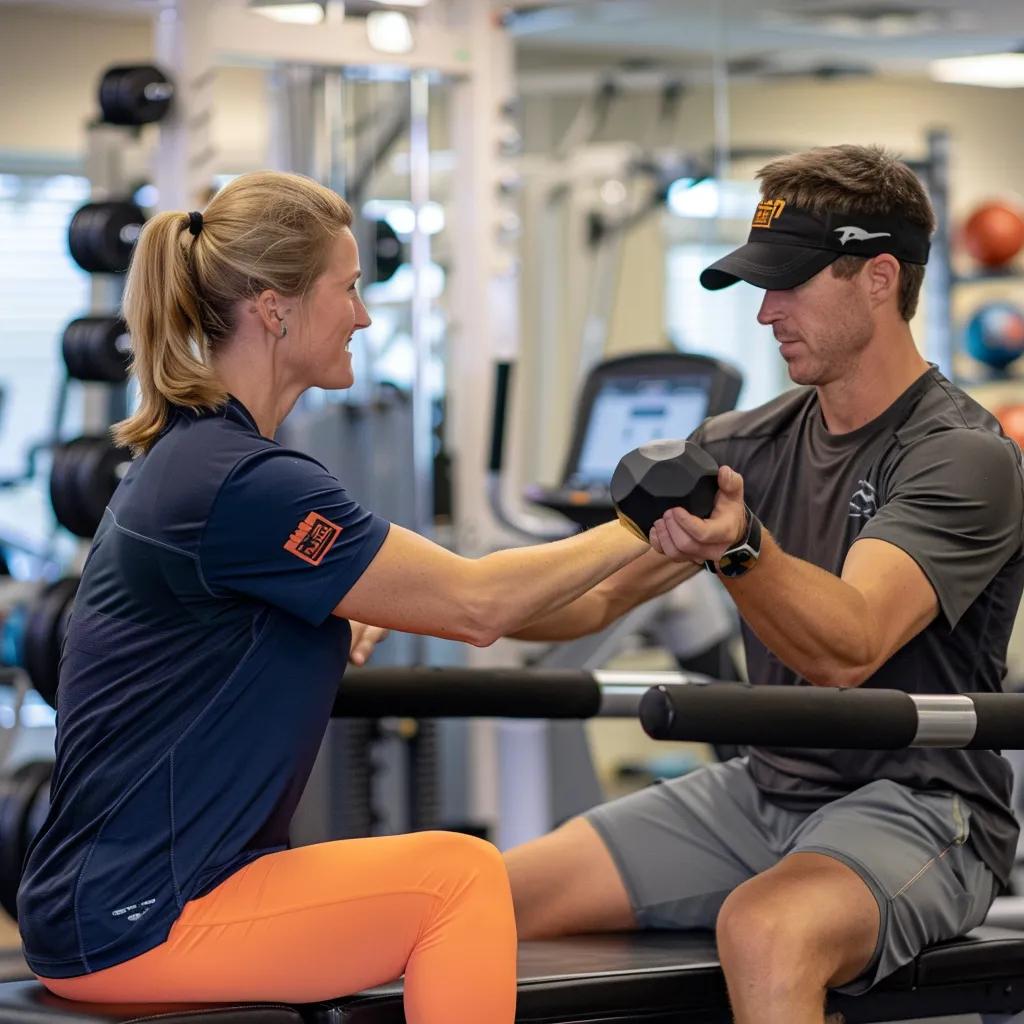
Exercise guidelines for cancer patients and survivors define target volumes, intensities, and modalities to optimize physical function and quality of life by improving cardiovascular fitness, muscle strength, and psychosocial well-being. Core recommendations from the American College of Sports Medicine (ACSM) and American Cancer Society (ACS) advocate 150–300 minutes of moderate-intensity aerobic activity plus 2–3 sessions of resistance training weekly, adjusted for individual health status and treatment phase. These foundational principles ensure safe adaptation and set the stage for detailed modality practices.
Exercise Guidelines for Cancer Patients
The American College of Sports Medicine (ACSM) and the American Cancer Society (ACS) recommend 150–300 minutes of moderate-intensity aerobic activity plus 2–3 sessions of resistance training weekly for cancer patients and survivors. These guidelines are adjusted based on individual health status and treatment phase to optimize physical function and quality of life.
American College of Sports Medicine, American Cancer Society
This recommendation provides a foundation for safe and effective exercise programs tailored to the needs of cancer patients.
How Much Aerobic Exercise Should Cancer Patients Aim For?
Cancer patients should aim for 150–300 minutes of moderate-intensity aerobic exercise per week to enhance cardiovascular fitness, reduce fatigue, and support immune function.
To achieve these targets:
- Engage in brisk walking, cycling, or swimming at 50–70% of maximum heart rate for 30–60 minutes on 5 days weekly.
- Incorporate interval training by alternating 3–5 minutes of higher effort with equal recovery periods twice per week.
- Modify intensity based on treatment side effects, using perceived exertion scales and shorter bouts (e.g., 10–15 minutes) if needed.
These guidelines establish a scaffold for resistance training that further builds strength and functional capacity.
What Are the Best Resistance Training Practices for Cancer Rehabilitation?
Resistance training practices built around progressive overload and major muscle groups stimulate muscle protein synthesis, preserve lean mass, and counter treatment-induced sarcopenia.
Key protocols include:
- Perform 2–3 sets of 8–12 repetitions at 60–75% of one-rep max, twice weekly, focusing on chest, back, legs, and core.
- Use free weights, resistance bands, or machines, emphasizing controlled eccentric and concentric phases.
- Adjust load and volume when neutrophil or platelet counts are low, under specialist guidance.
This strength foundation prepares patients for flexibility and balance work that reduces fall risk and increases range of motion.
Which Flexibility and Balance Exercises Support Cancer Recovery?
Flexibility and balance exercises maintain joint mobility and prevent falls by enhancing neuromuscular coordination and reducing stiffness resulting from surgery or chemotherapy.
Below is a comparison of recommended modalities:
| Exercise Entity | Attribute | Value/Guideline |
|---|---|---|
| Static Stretching | Duration | Hold each stretch 20–30 seconds, 2–3 times per side |
| Yoga | Frequency | 2 sessions per week focusing on gentle flows |
| Tai Chi | Duration & Intensity | 30–45 minutes at low intensity, 2 sessions per week |
| Single-Leg Stance | Progression | Start 10 seconds per leg, increase to 60 seconds |
These flexibility and balance practices create a foundation for cancer type–specific adaptations that will be discussed next.
How Do Guidelines Vary by Cancer Type?
Guidelines vary by cancer type to address unique functional limitations, treatment risks, and complications such as lymphedema or bone metastases.
- Breast Cancer: Emphasize shoulder range-of-motion drills, lymphedema-safe resistance (15–20 reps, low load), and gradual upper-body strengthening.
- Prostate Cancer: Prioritize pelvic floor exercises, weight-bearing resistance for bone health, and aerobic intervals to manage androgen-deprivation effects.
- Colorectal Cancer: Focus on core stabilization to support surgical sites, low-impact aerobic work, and progressive lower-body strength training.
Tailoring by cancer type ensures that standard volumes and intensities translate into safe, effective improvements in function, leading into side-effect management strategies.
How Does Exercise Help Manage Common Cancer Treatment Side Effects?

Exercise mitigates common cancer treatment side effects through physiological and psychosocial mechanisms that enhance energy metabolism, neurovascular health, lymphatic flow, and bone density. Deploying targeted routines improves treatment tolerance and everyday function, prompting a closer look at specific side-effect protocols.
Can Exercise Reduce Cancer-Related Fatigue?
Exercise reduces cancer-related fatigue (CRF) by improving mitochondrial efficiency, increasing endorphin release, and promoting restorative sleep, which collectively restore energy and reduce disability. Oncology rehabilitation is essential for many patients.
Effective fatigue protocols include:
- Moderate aerobic activity like walking or stationary cycling for 20–30 minutes, three times weekly.
- Light resistance sessions (1–2 sets of 10–15 reps) to enhance muscle endurance without overtaxing energy reserves.
- Mind-body modalities (breathing exercises, restorative yoga) to lower stress and improve sleep quality.
Benefits of Exercise on Cancer-Related Fatigue
Exercise has been shown to reduce cancer-related fatigue (CRF) by improving mitochondrial efficiency, increasing endorphin release, and promoting restorative sleep. Effective fatigue protocols include moderate aerobic activity, light resistance sessions, and mind-body modalities to restore energy and reduce disability.
National Cancer Institute
This research supports the article’s claims about the positive impact of exercise on managing fatigue in cancer patients.
Implementing these practices early helps patients maintain activity levels and transitions into neuropathy management without compromising recovery.
What Exercises Are Effective for Chemotherapy-Induced Peripheral Neuropathy?
Neuromuscular training and balance exercises stimulate neural plasticity, reduce sensory deficits, and improve coordination in patients with chemotherapy-induced peripheral neuropathy (CIPN).
Core exercises are:
- Ankle and wrist circles, toe/heel raises for nerve gliding, 2–3 sets of 10 repetitions daily.
- Single-leg balance and tandem walking drills for 2–3 minutes per side, progressing with sensory challenges.
- Light resistance band work for dorsiflexion and plantarflexion to strengthen distal musculature.
These neuromuscular routines set the stage for lymphedema-focused protocols that follow.
How Can Exercise Prevent or Manage Lymphedema?
Controlled muscle contractions and deep breathing exercises support lymphatic drainage and prevent fluid accumulation in patients at risk for or with established lymphedema.
Recommended steps include:
- Diaphragmatic breathing combined with gentle limb pumping exercises (10 reps per session, 3–5 sessions daily).
- Low-load resistance for major muscle groups (e.g., 15–20 reps with light bands) to create a “muscle pump” effect.
- Compression garments during exercise to optimize lymph flow and reduce swelling.
These practices reduce limb girth and safely transition into protocols for bone health maintenance.
What Role Does Exercise Play in Maintaining Bone Health During Cancer Treatment?
Weight-bearing and resistance exercises stimulate osteoblast activity, preserve bone mineral density, and reduce fracture risk during and after cancer therapy.
Essential guidelines are:
- Perform 2–3 sessions weekly of resistance training targeting legs, hips, and spine at moderate intensity (60–80% one-rep max).
- Include weight-bearing aerobic activities such as brisk walking or stair climbing for 30 minutes on most days.
- Monitor calcium and vitamin D status, coordinating with dietitians and oncologists.
Exercise and Bone Health
Weight-bearing and resistance exercises are crucial for maintaining bone health during and after cancer treatment. These exercises stimulate osteoblast activity, preserve bone mineral density, and reduce fracture risk. Guidelines include 2–3 sessions weekly of resistance training targeting legs, hips, and spine at moderate intensity. oncology rehabilitation
Mayo Clinic
This citation reinforces the importance of exercise in maintaining bone health, as discussed in the article.
Optimizing bone health in this way prepares survivors for tailored prehabilitation strategies discussed next.
How Should Exercise Programs Be Tailored Across Different Stages of the Cancer Journey?
Personalized exercise programs evolve through prehabilitation, active treatment, and post-treatment phases to maximize resilience, minimize complications, and support long-term health. Structuring these stages creates a seamless progression from preparation to recovery.
What Is Cancer Prehabilitation and How Does It Prepare Patients for Treatment?
Cancer prehabilitation involves targeted exercise, nutrition, and psychological support before treatment to build baseline fitness, reduce surgical complications, and enhance treatment tolerance. oncology rehabilitation
Key components are:
- Moderate aerobic training (e.g., walking) 3–5 times weekly to elevate VO₂ max by 10–15%.
- Resistance sessions focusing on major muscle groups twice weekly to increase strength by 15–20%.
- Stress management techniques such as guided breathing to optimize mental readiness.
These preparatory gains lay the groundwork for safely exercising during active treatment.
How to Safely Exercise During Active Cancer Treatment?
Safe exercise during active cancer treatment adjusts volume and intensity based on blood counts, organ function, and side-effect severity to maintain conditioning without compromising health.
Critical precautions include:
- Checking hemoglobin (>10 g/dL), platelet (>50,000/µL), and absolute neutrophil counts before moderate to vigorous sessions.
- Reducing intensity by 30–50% on days of severe fatigue, nausea, or pain.
- Incorporating gentle flexibility and mind-body work on off days to sustain mobility and mental well-being.
Adhering to these modifications ensures continuity of exercise benefits through treatment and into survivorship protocols.
What Are the Best Post-Treatment Exercise Strategies for Survivors?
Post-treatment survivors should adopt long-term exercise routines that integrate aerobic endurance, progressive resistance, flexibility, and balance to foster sustained health, reduce recurrence risk, and support psychosocial resilience.
Recommended approach:
- Build up to 150–300 minutes of moderate-intensity cardio weekly.
- Progress resistance training load by 5% every 4–6 weeks to stimulate ongoing strength gains.
- Maintain flexibility and balance sessions twice weekly to prevent deconditioning and falls.
Establishing these lifelong habits transitions into specialist support for personalized plan optimization.
Who Are Cancer Exercise Specialists and How Can They Support Personalized Exercise Plans?
Cancer exercise specialists hold advanced certifications and clinical expertise to design safe, effective, and individualized exercise regimens that align with medical treatments, comorbidities, and personal goals. Their role elevates standard recommendations into customized recovery pathways.
What Certifications and Expertise Define a Cancer Exercise Specialist?
Certified cancer exercise specialists possess specialized training in oncology exercise science, anatomy, physiology, and clinical safety protocols, often through accredited programs such as ACSM Certified Cancer Exercise Trainer (CET) or OncoVie™ certification.
Core expertise includes:
- Interpreting treatment-related contraindications and bloodwork.
- Designing periodized programs that integrate with multidisciplinary care.
- Monitoring symptom responses and adjusting protocols in real time.
This advanced skill set distinguishes them from general fitness professionals and leads into how to locate these specialists.
How to Find and Work with a Certified Cancer Exercise Specialist?
Patients can locate certified specialists through professional registries, oncology rehabilitation centers, or referrals from oncology care teams to ensure seamless integration of exercise into medical treatment plans.
Steps for collaboration:
- Request a referral from your oncology or rehabilitation provider.
- Verify certification credentials and oncology experience.
- Establish clear communication protocols with your medical team for progress updates.
Working with these specialists ensures that physical and occupational therapists can further refine rehabilitation goals.
What Is the Role of Physical and Occupational Therapists in Cancer Rehabilitation?
Physical and occupational therapists complement exercise specialists by addressing functional impairments, lymphedema management, and activities of daily living through therapeutic exercise, manual techniques, and adaptive strategies.
Contributions include:
- Assessing gait, posture, and mobility to prescribe corrective exercises.
- Implementing manual lymphatic drainage for lymphedema.
- Teaching energy conservation techniques for fatigue management.
These multidisciplinary interventions form a cohesive approach that transitions into practical tips for program adherence.
What Are Practical Tips for Starting and Maintaining a Cancer-Specific Exercise Program?
Practical tips for initiation and adherence emphasize gradual progression, symptom monitoring, and lifestyle integration to sustain motivation, prevent injury, and achieve long-term benefits.
How to Begin Exercising Safely After a Cancer Diagnosis?
Begin exercising safely after diagnosis by obtaining medical clearance, starting with low-intensity activities, and listening to your body’s cues to avoid overexertion.
Recommended steps:
- Complete a baseline assessment with a qualified specialist.
- Start with 10–15 minutes of light walking or gentle stretching daily.
- Increase duration by 5 minutes each week while monitoring for pain or excessive fatigue.
These initial steps lead to optimized energy management strategies during workouts.
How to Manage Energy Levels and Hydration During Exercise?
Managing energy levels and hydration involves timing workouts during peak energy windows, consuming balanced nutrition, and replenishing fluids before, during, and after sessions to sustain performance.
Actionable guidelines:
- Schedule exercise 1–2 hours after a light meal rich in complex carbohydrates and protein.
- Drink 5–7 mL/kg of body weight of water in the 2 hours before exercise, plus sips every 15 minutes during activity.
- Include electrolyte sources (e.g., small fruit servings, sports drinks) for sessions longer than 45 minutes.
These practices inform decisions about when to seek professional guidance on your routine.
When Should Cancer Patients Consult Specialists About Their Exercise Routine?
Cancer patients should consult exercise specialists when experiencing new or worsening symptoms, persistent pain, significant fatigue spikes, or before starting high-intensity or novel modalities.
Warning signs include:
- Chest pain, dizziness, or severe shortness of breath during activity.
- Rapid swelling or numbness in limbs indicating lymphedema or neuropathy exacerbation.
- Platelet or hemoglobin declines that necessitate intensity adjustments.
Recognizing these cues ensures timely collaboration and safe progression into the next section on evidence-based benefits.
What Are the Latest Evidence-Based Benefits of Exercise for Cancer Survivors?
Exercise for cancer survivors yields robust physical, psychological, and survival benefits by enhancing functional capacity, reducing recurrence risk, and improving mental health through neuroendocrine and immunomodulatory effects. For more details on this topic, you can visit oncology rehabilitation.
How Does Exercise Improve Physical Function and Quality of Life?
Regular exercise enhances physical function and quality of life by increasing muscle strength, cardiovascular endurance, and flexibility, leading to greater independence in daily activities and improved psychosocial well-being.
| Entity | Attribute | Value/Evidence |
|---|---|---|
| Aerobic Exercise | VO₂ Max Improvement | 10–15% increase after 12 weeks |
| Resistance Training | Muscle Mass Gain | 1.0–1.5 kg lean mass preserved during therapy |
| Mind-Body Practices | Sleep Quality | 25–30% reduction in insomnia symptoms |
These improvements create a feedback loop of confidence and resilience that can translate into recurrence reduction.
Can Exercise Reduce Cancer Recurrence and Improve Survival?
Exercise may reduce cancer recurrence and improve survival by modulating insulin sensitivity, reducing inflammation, and enhancing immune surveillance, with studies showing 20–40% lower recurrence rates in active survivors.
Key findings:
- Moderate-intensity activity (150 minutes/week) associated with a 30% lower breast cancer recurrence.
- Regular strength training linked to a 25% improvement in disease-free survival in colorectal cancer survivors.
These positive outcomes underpin mental health benefits that bolster overall recovery.
What Mental Health Benefits Does Exercise Provide During and After Cancer Treatment?
Exercise provides mental health benefits by lowering anxiety and depression symptoms, enhancing mood through endorphin release, and improving cognitive function and sleep, which collectively support emotional resilience.
Benefits include:
- 40–50% reduction in clinical depression scores after 8–12 weeks of combined modalities.
- Improved self-esteem and body image in survivors engaging in regular group exercise classes.
- Enhanced cognitive clarity and reduced “chemo brain” through aerobic and mind-body training.
A final step toward sustained adherence is leveraging interactive tools that we explore next.
How Can Interactive Tools and Resources Enhance Cancer-Specific Exercise Programs?
Interactive tools and resources personalize exercise plans, boost adherence, and provide real-time feedback on symptom trends and progress, transforming guidelines into actionable routines tailored to individual needs.
What Exercise Planners and Symptom Trackers Are Available for Cancer Patients?
Digital exercise planners and symptom trackers enable patients to schedule workouts, log side effects, and visualize progress, which supports self-management and facilitates specialist oversight.
Common features:
- Calendar integration with automated reminders for aerobic, strength, and flexibility sessions.
- Symptom severity scales for fatigue, pain, and lymphedema that generate trend graphs.
- Goal-setting modules with adaptive feedback based on logged performance.
Using these tools naturally leads into engaging quizzes for personalized recommendations.
How Do Quizzes Help Tailor Exercise Recommendations?
Interactive quizzes assess current fitness levels, symptom profiles, and treatment details to generate customized exercise protocols, ensuring that routines align with individual safety parameters and preferences.
Quiz functions include:
- Risk stratification for neuropathy or lymphedema to adjust modality recommendations.
- Strength and endurance self-assessments informing load and duration calibrations.
- Interest and goal inventories that match motivational drivers to program design.
These personalized insights pave the way to video demonstrations that reinforce safe technique.
Where to Find Video Demonstrations and Infographics for Cancer Exercise?
Video demonstrations and infographics illustrate proper form, progression cues, and safety modifications, enhancing understanding and reducing injury risk when performed independently or under remote supervision.
Resource highlights:
- Short clips demonstrating aerobic warm-ups, resistance exercises, and balance drills.
- Infographics summarizing weekly exercise volumes and side-effect management protocols.
- Guided tutorials on breathing techniques and muscle-pump exercises for lymphedema.
Incorporating these multimodal aids completes a cohesive, personalized exercise experience that empowers lifelong health.
Cancer-specific exercise guidelines combine scientific rigor, individualized planning, and accessible tools to support patients from diagnosis through survivorship. By following these structured recommendations and collaborating with certified specialists, individuals can optimize recovery, mitigate side effects, and build enduring strength and resilience.
Frequently Asked Questions
What are the benefits of exercise for cancer survivors beyond physical health?
Exercise offers significant mental health benefits for cancer survivors, including reduced anxiety and depression, improved mood, and enhanced cognitive function. Engaging in regular physical activity can lead to a 40–50% reduction in clinical depression scores and boost self-esteem and body image. Additionally, exercise helps improve sleep quality, which is crucial for emotional resilience during recovery. These psychological benefits complement the physical improvements, creating a holistic approach to survivorship.
How can family and friends support a cancer patient’s exercise journey?
Family and friends play a vital role in supporting a cancer patient’s exercise journey by encouraging participation in physical activities and providing companionship during workouts. They can help by joining exercise sessions, offering motivation, and celebrating milestones. Additionally, understanding the patient’s limitations and being patient with their progress fosters a supportive environment. This social support can enhance adherence to exercise routines and improve overall well-being during recovery.
What precautions should be taken when exercising during cancer treatment?
When exercising during cancer treatment, it is essential to take specific precautions to ensure safety. Patients should consult their healthcare team for medical clearance and guidance on exercise intensity based on their current health status. Monitoring vital signs, such as heart rate and blood pressure, is crucial, especially on days when experiencing fatigue or other side effects. Adjusting exercise volume and intensity according to how one feels on a given day can help prevent overexertion and injury.
How can patients track their progress in a cancer-specific exercise program?
Patients can track their progress in a cancer-specific exercise program using digital tools such as exercise planners and symptom trackers. These tools allow individuals to log workouts, monitor side effects, and visualize improvements over time. Keeping a journal or using mobile apps can help set goals, record achievements, and identify patterns in energy levels and symptoms. Regularly reviewing this data with healthcare providers can also facilitate adjustments to the exercise plan as needed.
What role does nutrition play in supporting exercise for cancer patients?
Nutrition plays a crucial role in supporting exercise for cancer patients by providing the necessary energy and nutrients to fuel workouts and aid recovery. A balanced diet rich in whole foods, including fruits, vegetables, lean proteins, and whole grains, can enhance physical performance and overall health. Proper hydration is also essential, especially during exercise. Consulting with a registered dietitian can help tailor nutritional strategies that align with individual treatment plans and exercise goals.
Are there specific exercises recommended for different types of cancer?
Yes, exercise recommendations can vary based on the type of cancer due to unique functional limitations and treatment-related complications. For instance, breast cancer patients may focus on shoulder mobility and upper body strength, while prostate cancer survivors might prioritize pelvic floor exercises and weight-bearing activities for bone health. Tailoring exercise programs to address these specific needs ensures safety and effectiveness, promoting better recovery outcomes for each individual.
How can patients maintain motivation for their exercise routine during recovery?
Maintaining motivation for an exercise routine during recovery can be achieved through setting realistic goals, tracking progress, and celebrating small achievements. Joining group classes or finding an exercise buddy can provide social support and accountability. Additionally, varying the types of exercises and incorporating enjoyable activities can keep the routine fresh and engaging. Regularly revisiting personal motivations and the benefits of exercise can also help sustain commitment throughout the recovery journey.