Effective Exercise Routines for Cancer Survivors: How to Improve Recovery and Quality of Life
Recovering from cancer often means rebuilding strength, stamina, and mental resilience through effective exercise routines for survivors. By integrating structured physical activity into rehabilitation plans, individuals can reduce fatigue, enhance bone health, and restore balance—empowering them to reclaim daily life with renewed confidence. This guide will define exercise oncology, explore the safest and most beneficial workout types, address side-effect management, present evidence-based guidelines, tailor routines by cancer type, help you connect with certified specialists, and explain how nutrition and hydration support lasting recovery. Alongside expert insights and practical step-by-step guidance, you’ll discover how Cancer Rehab resources and network of oncology rehabilitation professionals can support your journey to improved quality of life.
What Is Exercise Oncology and Why Is It Important for Cancer Survivors?
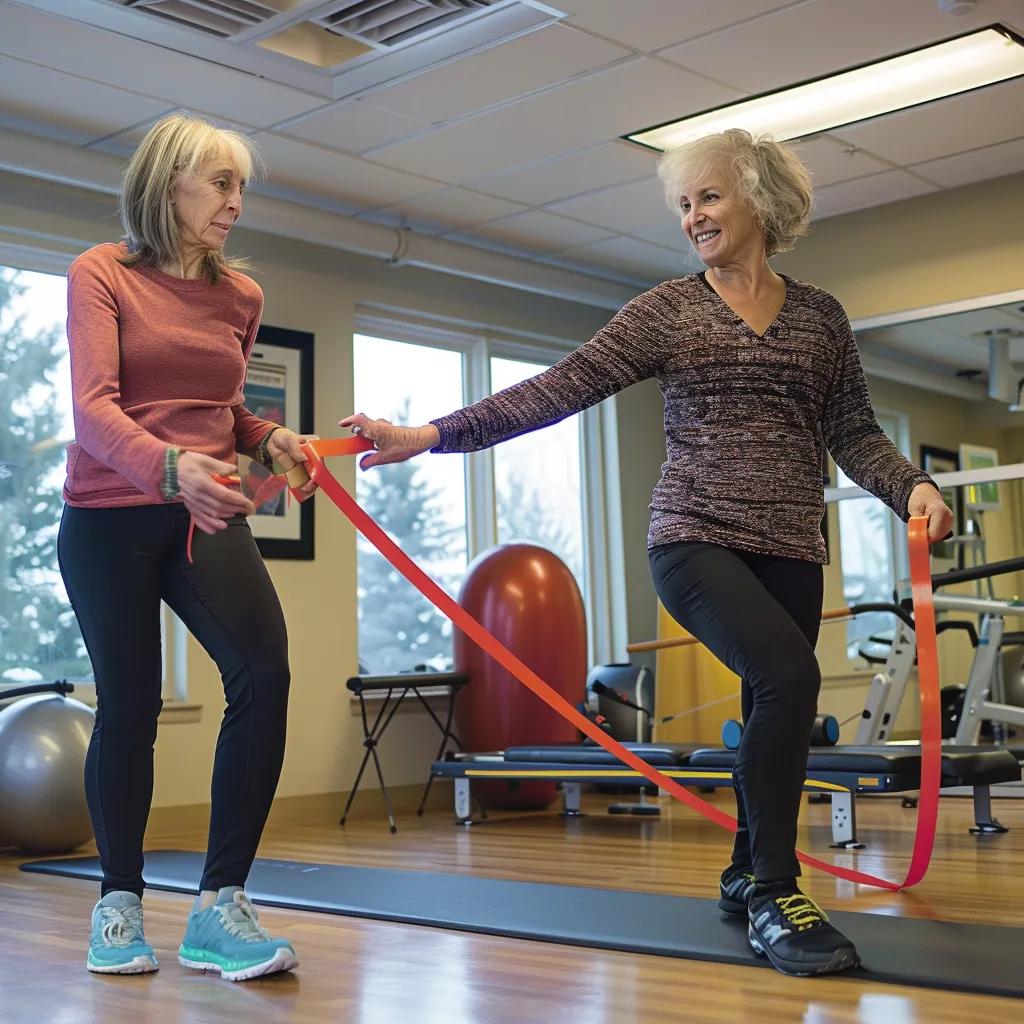
Exercise oncology is the medical specialty that uses tailored physical activity to support cancer recovery by improving cardiovascular health, muscle strength, and psychological well-being. This emerging field combines oncology knowledge with exercise science to create safe, therapeutic workout plans that address the unique challenges faced by survivors.
Exercise Oncology Benefits
Exercise oncology is a specialized field that uses tailored physical activity to support cancer recovery. This approach improves cardiovascular health, muscle strength, and psychological well-being in cancer survivors. It combines oncology knowledge with exercise science to create safe, therapeutic workout plans.
American College of Sports Medicine, Exercise and Cancer (2023)
This research supports the article’s introduction of exercise oncology and its importance for cancer survivors.
How Does Exercise Benefit Cancer Survivors?
Exercise reduces cancer-related fatigue by enhancing mitochondrial function and increasing oxygen delivery to tissues. It also improves muscle mass, bone density, and cardiovascular endurance while boosting mood through endorphin release. For example, a walking program can simultaneously elevate heart rate, strengthen lower-body muscles, and reduce anxiety, creating a foundation for more advanced routines.
Is It Safe to Exercise During Cancer Treatment?
Yes, evidence shows that moderate exercise is safe during chemotherapy and radiation when supervised by healthcare providers. Adjusting intensity and monitoring vital signs prevents complications such as lymphedema or infection. Beginning with low-impact activities like stationary cycling and stretching ensures protective progression into more demanding workouts.
What Role Do Certified Cancer Exercise Specialists Play?
Certified cancer exercise specialists design individualized exercise plans that align with medical history, treatment side effects, and personal goals. These professionals hold certifications in oncology rehabilitation and physical therapy, providing expert oversight to maximize benefits while minimizing risks. Their guidance bridges the gap between medical care and fitness progression, ensuring recovery plans evolve safely as strength returns.
Transitioning from foundational concepts to specific workout options highlights how targeted exercise types drive recovery and wellness improvements.
Which Types of Exercise Are Most Effective for Cancer Survivors?
Identifying the right exercise modalities is essential for comprehensive rehabilitation. Each category—cardio, strength, mind-body, flexibility—offers unique benefits that combine to support full-body recovery.
What Are the Benefits of Aerobic Exercise for Survivors?
Aerobic exercise enhances cardiovascular health and reduces fatigue by improving blood flow and energy metabolism. Activities such as brisk walking, swimming, and cycling elevate heart rate, promoting better oxygen delivery and mitochondrial efficiency. Survivors often report increased daily energy and clearer cognitive function after consistent cardio work.
Aerobic Exercise for Cancer Survivors: Intensity, Duration, and Frequency
| Entity | Attribute | Value |
|---|---|---|
| Aerobic Exercise | Intensity | Moderate (50–70% max heart rate) |
| Aerobic Exercise | Duration | 20–45 minutes per session |
| Aerobic Exercise | Frequency | 3–5 days per week |
| Aerobic Exercise | Benefit | Reduces fatigue, improves endurance |
| Aerobic Exercise | Precaution | Monitor blood counts during treatment phases |
Moderate-intensity cardio multiple times per week alleviates fatigue and builds a robust cardiovascular foundation that supports all other forms of exercise.
How Does Resistance Training Improve Strength and Bone Health?
Resistance training stimulates muscle fiber growth and bone remodeling by applying mechanical load to tissue. Using free weights or resistance bands increases lean mass, counters treatment-related muscle loss, and strengthens bones vulnerable to osteoporosis.
Resistance Training Techniques: Equipment and Safety Tips
- Use resistance bands with progressive tension to accommodate varying strength levels.
- Perform controlled movements with proper form to prevent joint strain.
- Incorporate multi-joint exercises like squats and rows to maximize functional strength.
- Rest 48 hours between sessions targeting the same muscle group.
Building muscle mass through resistance training enhances metabolic health and reduces fracture risk, preparing survivors for more dynamic activities.
What Mind-Body Exercises Help with Stress and Fatigue?
Mind-body practices like yoga and Tai Chi combine gentle movement with breath control to reduce stress, lower cortisol, and restore mental balance. These exercises improve range of motion and assist in fatigue management by promoting parasympathetic activation.
Yoga and Tai Chi Poses for Fatigue and Stress Relief
- Mountain Pose (Tadasana) – Enhances posture and grounding.
- Warrior II (Virabhadrasana II) – Builds lower-body strength and focus.
- Sunbird (Ardha Chandrasana) – Opens chest and improves balance.
- Tai Chi Cloud Hands – Promotes fluid circulation and calm.
- Seated Forward Bend (Paschimottanasana) – Relieves tension in the back and hamstrings.
Integrating these sequences into daily routines fosters relaxation, supports lymphatic flow, and lays the groundwork for advanced flexibility work.
How Can Flexibility and Balance Exercises Aid Recovery?
Flexibility and balance drills restore joint mobility and prevent falls by strengthening stabilizing muscles. Simple stretches and stability exercises help survivors regain post-surgical range of motion and reduce the risk of injury during functional activities.
Creating an Exercise Plan: Step-by-Step Guide for Survivors
- Assess Baseline Mobility – Perform gentle range-of-motion tests under professional guidance.
- Set Specific Goals – Define measurable targets (e.g., improve hip flexor stretch by 10°).
- Schedule Sessions – Allocate 15–20 minutes daily for stretching and balance.
- Progress Intensity Gradually – Increase hold times or complexity of balance challenges.
- Track Improvements – Log changes and adjust exercises every 2–4 weeks.
A structured progression ensures continuous improvement while preventing overstretching and falls.
The interplay among cardio, resistance, mind-body, and flexibility routines establishes a comprehensive framework for managing treatment side effects through physical activity.
How Can Exercise Manage Common Cancer Treatment Side Effects?
Exercise acts as therapy for side effects like fatigue, neuropathy, and lymphedema by enhancing circulation, nerve function, and lymphedema therapy.
How Does Exercise Reduce Cancer-Related Fatigue?
Targeted movements boost cellular energy production and counteract treatment-induced deconditioning. Low-impact cardio combined with light resistance reduces fatigue severity and improves daily energy levels.
Managing Fatigue: How Exercise Improves Energy Levels
- Entity: Cardio and Strength Exercise
- Attribute: Mechanism
- Value: Mitochondrial activation increases ATP synthesis
Regular movement interrupts the cycle of fatigue by enhancing oxygen utilization and metabolic efficiency.
What Exercises Help with Chemotherapy-Induced Neuropathy?
Gentle resistance work and proprioceptive drills stimulate nerve regeneration and enhance sensory feedback in affected limbs. Balance boards, toe raises, and light leg extensions target neuropathic areas safely.
- Balance Board Drills – Improve proprioception and reduce fall risk.
- Ankle Alphabets – Trace letters with the foot to promote fine motor control.
- Light Leg Press – Strengthens lower extremity nerve pathways.
Gradual progression from assisted movements to independent drills restores nerve function and decreases tingling sensations.
How Can Exercise Prevent or Manage Lymphedema?
Low-load resistance and compression garments combined with gentle range-of-motion activities facilitate lymph flow and reduce fluid buildup. Exercises like wall climbing and shoulder rolls mobilize lymphatic vessels.
- Wall Climbing – Uses fingers to “walk” up a wall, stretching the chest and shoulders.
- Shoulder Rolls – Enhance lymph return from the upper extremities.
- Gentle Bicep Curls – Promote fluid circulation in the arms.
Consistent lymph-drainage therapy exercises minimize swelling and preserve arm function.
Can Exercise Improve Sleep, Anxiety, and Depression After Cancer?
Yes, regular activity balances neurotransmitters and circadian rhythms to enhance sleep quality while releasing endorphins that reduce anxiety and lift mood. Mind-body and aerobic exercises are particularly effective.
Exercise Precautions During Chemotherapy and Radiation
- Avoid high-intensity interval training on days with low blood counts.
- Monitor for signs of infection at injection sites during resistance sessions.
- Schedule workouts around treatment appointments to manage energy levels.
Coordinating exercise with treatment schedules maximizes psychological benefits while safeguarding physical health.
What Are the Recommended Exercise Guidelines for Cancer Survivors?
Official guidelines from the American Cancer Society and the American College of Sports Medicine recommend balanced cardio, strength, and flexibility work tailored to individual capacity.
How Much Exercise Should Cancer Survivors Aim For Weekly?
Survivors should target 150–300 minutes of moderate-intensity aerobic activity and 2–3 days of resistance training per week. This volume supports cardiovascular health, muscle maintenance, and fatigue reduction.
Exercise Guidelines for Cancer Survivors
Official guidelines from the American Cancer Society and the American College of Sports Medicine recommend a balance of cardio, strength, and flexibility exercises tailored to individual capacity. Survivors should aim for 150–300 minutes of moderate-intensity aerobic activity and 2–3 days of resistance training per week.
American Cancer Society, Guidelines on Nutrition and Physical Activity for Cancer Survivors (2022)
This citation provides the recommended exercise guidelines for cancer survivors, as mentioned in the article.
What Intensity and Frequency Are Safe and Effective?
Moderate intensity (50–70% of maximum heart rate) is optimal for most survivors, with sessions spread evenly across the week. Resistance exercises at 60–70% of one-repetition maximum performed twice weekly build strength without excessive fatigue.
Which Exercises Should Cancer Survivors Avoid?
High-impact jumps, maximal lifts, and contact sports may exacerbate treatment side effects and should be avoided during active therapy. Blindfolded balance drills are also discouraged for those with neuropathy.
How to Create a Personalized Exercise Plan After Cancer?
Design a plan by assessing current fitness, defining realistic goals, and progressively increasing workload based on tolerance and recovery. Incorporate cardio, resistance, and flexibility sessions into a weekly schedule with at least one rest day.
How Do Exercise Routines Differ by Cancer Type?
Tailoring workouts to specific cancer types accounts for unique treatment impacts and side-effect profiles.
What Are the Best Exercise Practices for Breast Cancer Survivors?
Focus on lymphedema therapy prevention with gentle range-of-motion drills, light resistance for the upper body, and mind-body routines to address post-surgical stiffness.
How Should Prostate Cancer Survivors Approach Exercise?
Emphasize pelvic floor strengthening, core stability, and weight-bearing activities to counteract bone density loss common after hormone therapy.
What Exercise Guidelines Apply to Colorectal Cancer Survivors?
Prioritize gentle core and lumbar stabilization exercises, low-impact cardio, and pelvic mobility drills to support bowel regularity and reduce neuropathic pain.
Are There Tailored Programs for Other Cancer Types?
Yes, specialized regimens exist for survivors of lung, ovarian, and hematologic cancers, each addressing organ-specific rehabilitation needs and treatment-related fatigue patterns.
How Can Cancer Survivors Find and Work with Exercise Specialists?
Professional oversight ensures safety and maximizes recovery outcomes through evidence-based interventions.
What Certifications Should Cancer Exercise Specialists Have?
Look for credentials in oncology rehabilitation, such as Certified Cancer Exercise Trainer (CET) or oncology physical therapy certification, indicating advanced training in cancer-specific exercise prescription.
Where to Find Certified Oncology Rehabilitation Professionals?
Hospitals, cancer centers, and community fitness organizations often list oncology rehab specialists. Online directories at Cancer.rehabconnect survivors with vetted professionals in their area.
How Do Specialized Programs Like Livestrong at the YMCA Support Survivors?
Community-based programs offer group classes, educational seminars, and peer support under certified instructors, fostering both physical improvement and social engagement in a structured environment.
Connecting with experienced specialists and community programs reinforces accountability and sustained progress.
How Do Nutrition and Hydration Support Exercise for Cancer Survivors?

Proper fueling and fluid balance are essential for maximizing exercise benefits and managing treatment side effects.
What Are the Best Dietary Practices to Enhance Exercise Recovery?
Consuming lean protein, complex carbohydrates, and anti-inflammatory foods—such as fatty fish, whole grains, and colorful vegetables—supports muscle repair and modulates oxidative stress post-workout.
How Important Is Hydration During Cancer Treatment and Exercise?
Maintaining adequate fluid intake—at least 2–3 liters per day—ensures optimal blood volume, nutrient delivery, and toxin clearance, especially crucial when treatments increase dehydration risk.
Can Nutrition Help Manage Treatment Side Effects Alongside Exercise?
Yes, targeted nutrition strategies, like small frequent meals to combat nausea and electrolyte-rich fluids to mitigate dehydration, complement exercise by stabilizing energy levels and reducing gastrointestinal distress.
Integrating balanced nutrition and hydration into rehabilitation plans enhances the effectiveness of exercise routines and supports sustainable wellness.
Recovering strength and vitality after cancer is possible through structured, science-based exercise combined with professional guidance, targeted nutrition, and consistent self-monitoring. Embracing these effective routines empowers survivors to reclaim autonomy, reduce long-term treatment effects, and achieve lasting improvements in quality of life.
Frequently Asked Questions
What should cancer survivors consider before starting an exercise program?
Before beginning an exercise program, cancer survivors should consult with their healthcare team to assess their current health status and any specific limitations. It’s essential to consider factors such as treatment history, existing side effects, and personal fitness levels. A tailored approach ensures that the exercise plan is safe and effective, addressing individual needs while promoting recovery. Additionally, survivors should start slowly and gradually increase intensity to avoid injury and fatigue.
How can family and friends support cancer survivors in their exercise journey?
Family and friends can play a crucial role in supporting cancer survivors by encouraging them to stay active and participating in exercise routines together. They can help by providing motivation, companionship, and accountability, making workouts more enjoyable. Additionally, they can assist in planning and preparing healthy meals, ensuring proper nutrition to complement the exercise regimen. Emotional support and understanding can also help survivors navigate the challenges of recovery and maintain a positive mindset.
What are some common misconceptions about exercise for cancer survivors?
One common misconception is that cancer survivors should avoid exercise altogether during treatment, fearing it may worsen their condition. In reality, moderate exercise is often beneficial and can help alleviate treatment side effects. Another misconception is that survivors need to engage in high-intensity workouts to see benefits; however, low-impact activities can be equally effective. It’s essential to educate survivors about the importance of tailored exercise plans that prioritize safety and gradual progression.
How can survivors track their progress in an exercise program?
Survivors can track their progress by setting specific, measurable goals related to their fitness levels, such as increasing the duration or intensity of workouts. Keeping a journal or using fitness apps can help log workouts, monitor energy levels, and note improvements in strength and endurance. Regular check-ins with a certified cancer exercise specialist can also provide valuable feedback and adjustments to the exercise plan, ensuring continued progress and motivation throughout the recovery journey.
What role does mental health play in the recovery process for cancer survivors?
Mental health is a critical component of recovery for cancer survivors, as emotional well-being can significantly impact physical health and overall quality of life. Exercise has been shown to reduce anxiety and depression, improve mood, and enhance cognitive function. Engaging in mind-body practices, such as yoga and meditation, can further support mental health. Survivors should prioritize mental wellness alongside physical activity, seeking professional support when needed to address emotional challenges during recovery.
Are there specific exercises recommended for different types of cancer?
Yes, exercise recommendations can vary based on the type of cancer and its treatment. For instance, breast cancer survivors may focus on upper body strength and lymphedema prevention, while prostate cancer survivors might emphasize pelvic floor exercises. Tailored programs consider the unique challenges and side effects associated with each cancer type, ensuring that survivors engage in safe and effective workouts that support their specific recovery needs. Consulting with a specialist can help create an appropriate exercise plan.