Article:
Psychosocial Benefits of Cancer Rehabilitation Uncovered: How Rehabilitation Enhances Emotional, Social, and Cognitive Well-being
Cancer rehabilitation integrates physical, psychological, and social therapies to address the complex emotional landscape experienced by individuals during and after cancer treatment. At Cancer Rehab we connect you with specialized programs—such as physical therapy, psychological counseling, and support groups—to empower your recovery journey. This article will explore key psychosocial challenges faced by patients, the ways rehabilitation addresses emotional needs, the impact of social support, cognitive impairments like “chemo brain,” overall quality of life improvements, who benefits most, and how to access the right services. Understanding these themes reveals why psychosocial benefits of cancer rehabilitation are essential for thriving beyond cancer.
What Are the Key Psychosocial Challenges Faced by Cancer Patients and Survivors?

Psychosocial challenges encompass emotional distress, social withdrawal, and cognitive disruptions that arise during diagnosis, treatment, and survivorship. These difficulties result from treatment side effects, altered self-image, and fears about the future, often undermining coping capacity. For example, persistent anxiety can exacerbate fatigue and reduce motivation, creating a cycle that hinders physical recovery and emotional resilience.
Below is an overview of major psychosocial challenges, their defining attributes, and the impact on well-being:
| Challenge | Attribute | Impact |
|---|---|---|
| Anxiety | Frequency | Up to 50% of patients report significant treatment-related anxiety |
| Depression | Prevalence | Affects approximately 25% of survivors, reducing quality of life |
| Fear of Recurrence | Persistence | Can last years post-treatment, increasing emotional burden |
| Body Image Changes | Disruption | Alters self-esteem and identity after surgery or hair loss |
| Grief and Loss | Emotional burden | Responds to losses of roles, relationships, or functions |
| Social Isolation | Consequence | Limits support networks and heightens feelings of loneliness |
These challenges illustrate the complex emotional landscape that cancer survivors navigate, setting the stage for targeted rehabilitation strategies.
Psychosocial Challenges in Cancer Patients
Cancer patients and survivors often face significant emotional and psychological challenges, including anxiety, depression, and fear of recurrence, which can negatively impact their quality of life and overall well-being [15]. These challenges can stem from the diagnosis, treatment side effects, and changes in self-image, highlighting the need for targeted rehabilitation strategies.
Cancer-related psychosocial challenges – PMC (2022)
This research emphasizes the complex emotional landscape that cancer survivors navigate, setting the stage for targeted rehabilitation strategies.
How Do Anxiety and Depression Affect Cancer Recovery?
Anxiety and depression reduce motivation, increase fatigue, and impair immune function, directly slowing physical and emotional healing. Individuals experiencing clinical depression may withdraw from treatment plans or skip therapies. Rehabilitation programs address these mood disorders through cognitive behavioral therapy, stress-management techniques, and peer support to restore emotional balance and engagement in recovery. Understanding mood impacts leads naturally into managing persistent fears after treatment.
What Is Fear of Cancer Recurrence and How Does It Impact Patients?
Fear of cancer recurrence refers to ongoing worry that the disease will return, which can lead to hypervigilance, insomnia, and difficulty enjoying daily life. This anticipatory stress often undermines sleep quality and triggers avoidance behaviors. Psychological counseling within rehabilitation teaches coping skills—such as mindfulness and cognitive reframing—to reduce fear-related distress and improve emotional stability. Addressing this fear paves the way for restoring self-confidence and social participation.
How Do Body Image and Self-Esteem Change After Cancer Treatment?
Body image concerns arise from scars, hair loss, or weight changes, leading to lowered self-esteem and social withdrawal. This self-perception shift can provoke social anxiety and decreased willingness to engage in previously enjoyed activities. Occupational therapy, counseling, and reconstructive services within rehabilitation help patients rebuild a positive self-image and regain confidence. Improving self-esteem supports broader psychosocial rehabilitation efforts.
What Role Does Grief and Loss Play in the Cancer Journey?
Grief and loss emerge from mourning changes in health, roles, or relationships during cancer. Patients may experience sorrow for lost capabilities or the disruption of life milestones. Bereavement counseling and expressive therapies—like art or narrative therapy—facilitate processing these emotions, fostering acceptance and emotional resilience. Recognizing grief’s impact underscores the holistic nature of cancer rehabilitation.
How Does Social Isolation Affect Emotional Health in Cancer Survivors?
Social isolation deprives individuals of critical emotional support, increasing risks of depression and anxiety. Isolation may result from hospitalization, physical limitations, or perceived stigma. Group therapy and peer mentorship within rehabilitation rebuild social connections, provide shared understanding, and enhance emotional well-being. Strengthening social ties reinforces the benefits of psychological interventions and prepares survivors for community reintegration.
How Does Cancer Rehabilitation Address Emotional and Psychological Needs?
Cancer rehabilitation offers an integrated suite of therapies—psychological counseling, mindfulness techniques, group support, and physical interventions—to promote emotional healing and resilience. By targeting stress regulation pathways and enhancing coping mechanisms, these interventions directly reduce distress and improve adaptive capacity. For example, combining cognitive behavioral therapy with controlled breathing exercises can swiftly lower anxiety levels and enhance mood stability.
Benefits of Cancer Rehabilitation
Cancer rehabilitation programs are designed to address the physical, emotional, and social issues that affect the quality of life for cancer survivors [2, 14]. These programs aim to improve function, reduce pain, and enhance overall well-being, offering a multidisciplinary approach to recovery.
Cancer Rehabilitation | Johns Hopkins Medicine
This source supports the article’s claims about the comprehensive nature and goals of cancer rehabilitation.
Key components of emotional and psychological care include:
- Psychological Counseling and Therapy
- Mindfulness and Relaxation Techniques
- Group Therapy and Peer Support
- Physical Therapies with Psychosocial Impact
This multidisciplinary framework ensures that emotional recovery progresses in tandem with physical rehabilitation, leading seamlessly into the role of social support.
What Psychological Counseling and Therapy Options Are Available?
Psychological counseling in cancer rehabilitation includes individual psychotherapy, cognitive behavioral therapy (CBT), and psychoeducation. These approaches help patients identify unhelpful thought patterns, develop stress-management strategies, and build resilience. Benefits include reduced anxiety, improved mood regulation, and enhanced problem-solving skills. Integrating therapy early in prehabilitation fosters emotional preparedness for treatment.
How Do Mindfulness and Relaxation Techniques Reduce Psychological Distress?
Mindfulness practices—such as guided meditation, progressive muscle relaxation, and breathing exercises—activate the parasympathetic nervous system to lower cortisol and promote calm. Regular practice improves emotional regulation and reduces intrusive thoughts. Patients who adopt mindfulness routines often report less treatment-related anxiety and better sleep quality. This mind-body connection dovetails with group support to amplify psychosocial benefits.
What Are the Benefits of Group Therapy and Peer Support?
Group therapy and peer support programs foster shared experiences, validation, and communal coping strategies. Participants gain emotional reinforcement, practical advice, and reduced feelings of isolation. Peer mentoring cultivates hope and models successful adaptation. These group-based interventions strengthen social networks and complement individual counseling by embedding recovery in a supportive community.
How Do Physical Therapies Contribute to Emotional Well-being?
Physical therapies—such as exercise programs, physical therapy, and occupational therapy—trigger endorphin release, enhance self-efficacy, and restore functional independence. Improved mobility and strength foster confidence, reducing depression and social withdrawal. For instance, regular resistance training can alleviate fatigue, directly boosting mood and motivation to engage in social activities. This synergy between body and mind underscores the holistic power of cancer rehabilitation.
How Does Social Support Enhance Psychosocial Outcomes in Cancer Rehabilitation?
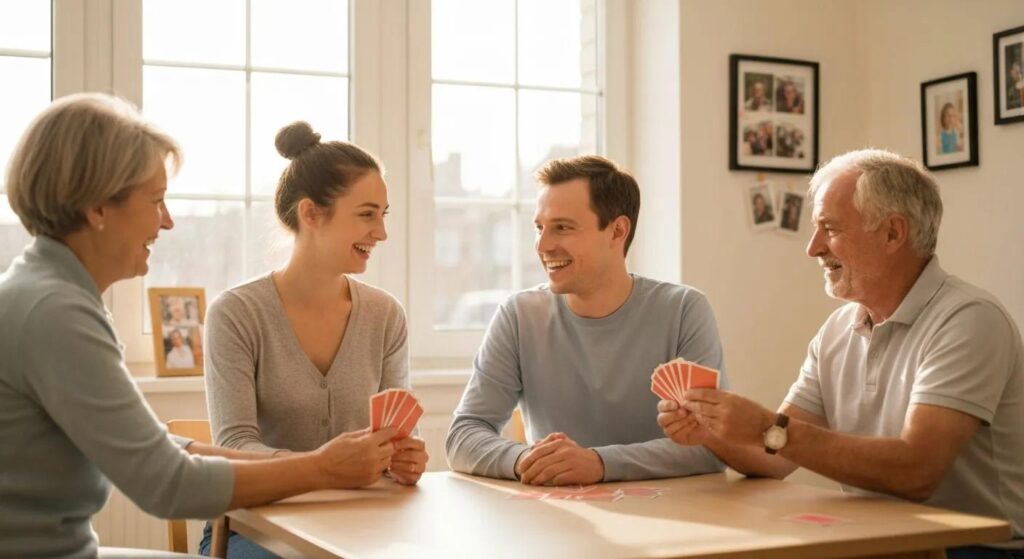
Social support provides emotional comfort, practical assistance, and a sense of belonging that buffer stress and foster healthier coping. Support from family, friends, and peers mitigates fear, reduces isolation, and enhances adherence to rehabilitation plans. For example, a robust caregiver network can encourage consistent participation in therapy sessions, directly improving emotional and functional outcomes.
Social Support and Cancer Recovery
Social support plays a critical role in cancer recovery by providing emotional comfort, practical assistance, and a sense of belonging, which can buffer stress and enhance coping mechanisms [24]. Strong social networks are associated with improved psychological adaptation, quality of life, and treatment adherence.
How Social Support helps Cancer Patients – Exploratio Journal (2024)
This research supports the article’s emphasis on the importance of social support in improving emotional and social health for cancer survivors.
Why Is Building a Strong Support Network Important for Cancer Survivors?
A strong support network offers reassurance, reduces anxiety, and promotes problem-solving through shared experiences. Connections with others who understand the journey empower survivors to express emotions and maintain hope. This emotional scaffolding increases resilience and augments formal interventions like counseling and mindfulness.
What Role Do Family and Caregivers Play in Psychosocial Rehabilitation?
Family members and caregivers provide daily encouragement, assist with practical tasks, and help patients adhere to treatment regimens. Their involvement in educational sessions and counseling enhances communication skills and mutual understanding. Empowering caregivers with coping strategies reduces their own stress and creates a healthier environment for patient recovery.
How Can Cancer Support Groups Improve Emotional and Social Health?
Support groups offer structured environments where survivors share challenges, exchange coping techniques, and celebrate milestones. Facilitated by trained professionals, these groups impart psychoeducation and foster peer mentorship. Participants often report increased self-esteem, reduced loneliness, and greater confidence in managing post-treatment life.
What Strategies Help Overcome Social Isolation After Cancer Treatment?
Structured reintegration programs—such as community volunteer activities, group fitness classes, and social skills workshops—encourage survivors to rebuild connections. Telehealth support groups and online forums extend access to those with mobility limitations. Gradual exposure to social settings under professional guidance helps restore comfort and engagement.
What Cognitive Challenges Do Cancer Survivors Face and How Can Rehabilitation Help?
Cognitive Impairment in Cancer Survivors
Cognitive changes, often referred to as “chemo brain,” are a common side effect of cancer treatment, affecting memory, concentration, and the ability to think clearly [1, 12]. These impairments can significantly impact daily activities and quality of life, necessitating cognitive rehabilitation strategies.
What are cognitive changes (chemo brain)? | Treatment for cancer
This research supports the article’s discussion of cognitive challenges faced by cancer survivors and the impact of “chemo brain.”
What Is Chemo Brain and How Does It Affect Cognitive Function?
Chemo brain describes treatment-related cognitive impairment, manifesting as forgetfulness, multitasking difficulties, and reduced attention. This condition interferes with work, learning, and daily tasks. Recognizing chemo brain guides personalized cognitive rehabilitation plans that include brain-training apps and compensatory strategies, leading to measurable improvements in mental performance. oncology rehabilitation
Which Cognitive Rehabilitation Strategies Improve Mental Clarity?
Cognitive rehabilitation incorporates mnemonic training, executive function tasks, and computer-based exercises to strengthen neural pathways. Integrative approaches like combined physical and cognitive tasks (dual-task training) further enhance neuroplasticity. Patients engaging in structured cognitive exercises often report improved focus, memory retention, and confidence in returning to work.
How Does Cancer Treatment Cause Cognitive Impairment?
Chemotherapy agents can cross the blood-brain barrier, triggering oxidative stress and white matter changes, while radiation therapy may induce inflammatory responses in brain tissue. Stress hormones released during treatment further impair neural connectivity. Understanding these mechanisms informs targeted rehabilitation that promotes neurogenesis and synaptic repair.
How Does Cancer Rehabilitation Improve Overall Quality of Life?
Quality of Life and Cancer Rehabilitation
Cancer rehabilitation aims to improve the overall quality of life by addressing physical, emotional, and social aspects of well-being [17]. This includes reducing symptoms, boosting functional independence, and enhancing community participation, ultimately helping survivors thrive beyond cancer.
Topical Collection : Quality of Life in Cancer Rehabilitation – MDPI (2024)
This research supports the article’s discussion of how cancer rehabilitation improves overall quality of life.
What Are the Physical, Emotional, and Social Aspects of Quality of Life?
Quality of life encompasses physical functioning (mobility, strength), emotional well-being (mood, self-esteem), and social engagement (relationships, activities). Rehabilitation plans evaluate these domains through patient-reported outcome measures and design interventions—such as adaptive equipment training and support group participation—to optimize holistic health.
How Does Rehabilitation Support Return to Work and Daily Activities?
Vocational rehabilitation services assess work-related abilities, provide job-task simulations, and recommend workplace modifications. Occupational therapy retrains fine motor skills and cognitive strategies for daily living. These services facilitate smoother transitions back to employment and self-care tasks, reinforcing a sense of purpose and autonomy.
What Are the Psychosocial Benefits of Addressing Sexual Health and Intimacy?
Cancer and its treatments can disrupt sexual function and intimacy, affecting self-image and relationships. Rehabilitation includes counseling on sexual health, education on adaptive techniques, and partner support sessions. Addressing these sensitive issues restores confidence, improves relationship satisfaction, and enhances overall life quality.
How Do Integrated Physical and Psychosocial Therapies Enhance Recovery?
Combining physical exercise with psychological interventions creates synergistic effects: exercise reduces stress hormones while counseling builds coping skills. Multidisciplinary teams coordinate care plans—integrating massage therapy, art therapy, and nutritional guidance—to support mind-body health. This integrative approach maximizes recovery potential across all quality of life dimensions.
Who Benefits Most from Psychosocial Cancer Rehabilitation?
Cancer rehabilitation serves patients at all stages—prehabilitation, active treatment, and survivorship—tailoring services to individual needs. Those with significant treatment side effects, emotional distress, or social isolation gain the greatest improvements in function and well-being. Early referral to rehabilitation professionals ensures optimal outcomes.
How Do Patients Experience Psychosocial Improvements Through Rehabilitation?
Patients often report reduced anxiety, improved mood, increased energy, and better coping skills after completing rehabilitation programs. Enhanced self-efficacy from mastering exercises and stress-management techniques leads to greater confidence in managing health. This patient-centered progress motivates ongoing engagement in health-promoting behaviors.
What Support Is Available for Caregivers and Families?
Caregivers receive education on stress reduction, communication strategies, and self-care to maintain their own well-being. Family counseling sessions improve understanding of patient needs and foster supportive interactions. Providing resources for caregivers strengthens the entire support system and indirectly benefits the patient’s psychosocial recovery.
How Does Rehabilitation Support Long-Term Survivorship and Thriving?
Long-term survivorship programs focus on managing chronic fatigue, cognitive late effects, and emotional concerns like fear of recurrence. Ongoing support groups, refresher therapy sessions, and wellness workshops equip survivors with tools for resilience. Sustained engagement in rehabilitative care promotes thriving beyond cancer treatment.
How Can You Find and Access the Right Psychosocial Support and Rehabilitation Services?
Identifying appropriate services involves assessing individual needs, consulting healthcare providers, and researching accredited rehabilitation centers. Prehabilitation programs prepare patients emotionally before treatment, while palliative rehabilitation emphasizes comfort and coping in advanced stages. Understanding available options ensures seamless integration into care plans.
What Specialized Psychosocial Programs Are Available Before, During, and After Treatment?
Prehabilitation services include stress-management workshops and introductory counseling to build emotional resilience. During active treatment, on-site support groups, art therapy, and relaxation classes help manage distress. Post-treatment survivorship programs offer ongoing counseling, cognitive training, and community reintegration support.
How Do You Connect with Psychological Counseling and Support Groups?
You can request referrals from your oncology team, contact rehabilitation departments at cancer centers, or explore online directories at Cancer Rehab to find licensed psychologists and peer-led support groups. Many programs offer telehealth options to increase accessibility and continuity of care.
What Questions Should You Ask When Choosing a Cancer Rehabilitation Program?
When evaluating programs, inquire about multidisciplinary team credentials (physiatrists, therapists, psychologists), service availability (in-person, virtual), individualized care plans, outcome measures, and patient testimonials. Understanding program structure and expected benefits helps you select the best fit for your psychosocial and functional goals.
What Are the Most Common Questions About Psychosocial Benefits of Cancer Rehabilitation?
What Are the Psychosocial Benefits of Cancer Rehabilitation?
Cancer rehabilitation provides reduced anxiety and depression, improved coping skills, enhanced social participation, restored self-esteem, and better cognitive function, leading to greater overall well-being and independence.
How Does Cancer Rehabilitation Help with Emotional Well-being?
By offering psychological counseling, mindfulness practices, and peer support, rehabilitation equips patients with stress-management strategies that lower distress hormones and foster emotional resilience throughout the recovery process.
What Is the Role of Psychology in Cancer Rehabilitation?
Psychology professionals conduct assessments, deliver cognitive behavioral therapy, guide relaxation exercises, and facilitate support groups to address mood disorders and promote adaptive coping mechanisms.
What Are the Long-Term Effects of Cancer Treatment on Mental Health?
Long-term effects can include persistent anxiety, depression, cognitive impairment (“chemo brain”), and fear of recurrence. Rehabilitation interventions mitigate these effects by restoring cognitive function, enhancing mood, and strengthening support networks.
How Can Social Support Improve Quality of Life for Cancer Survivors?
Social support enhances emotional well-being by providing empathy, practical assistance, and shared experience, which reduce isolation, increase motivation, and reinforce engagement in rehabilitation activities.
Four sentences alone cannot resolve the complex emotions of cancer recovery, but integrated psychosocial rehabilitation offers proven strategies for emotional stability, social reconnection, and cognitive clarity. At Cancer Rehab we guide you to personalized programs that blend therapy, exercise, and peer support for a holistic approach to wellness. Learning about each element—counseling, mindfulness, group therapy, and more—empowers you to take actionable steps toward recovery. Explore your rehabilitation options today and connect with experts who will support your journey to thriving after cancer.
Frequently Asked Questions
What types of therapies are included in cancer rehabilitation programs?
Cancer rehabilitation programs typically include a variety of therapies designed to address the multifaceted needs of patients. These may encompass physical therapy to improve mobility and strength, psychological counseling to address emotional and mental health issues, and social support groups to foster community connections. Additionally, mindfulness and relaxation techniques are often integrated to help manage stress and anxiety. This multidisciplinary approach ensures that all aspects of a patient’s well-being are considered, promoting a holistic recovery process.
How can cancer rehabilitation improve cognitive function in survivors?
Cancer rehabilitation can significantly enhance cognitive function through targeted cognitive rehabilitation strategies. These may include memory training exercises, attention-enhancing activities, and brain games designed to stimulate neural pathways. Programs often incorporate dual-task training, which combines physical and cognitive tasks to improve overall mental clarity. By addressing cognitive impairments, such as those associated with “chemo brain,” rehabilitation helps survivors regain confidence in their cognitive abilities, facilitating a smoother transition back to daily activities and work.
What role does nutrition play in cancer rehabilitation?
Nutrition plays a crucial role in cancer rehabilitation by supporting overall health, recovery, and well-being. A balanced diet rich in essential nutrients can help combat fatigue, boost the immune system, and improve energy levels. Nutritionists often work alongside rehabilitation teams to create personalized meal plans that address specific dietary needs and preferences. Proper nutrition not only aids in physical recovery but also positively impacts emotional health, as a well-nourished body can better cope with the stresses of recovery and rehabilitation.
How can family members support a loved one undergoing cancer rehabilitation?
Family members can play a vital role in supporting a loved one during cancer rehabilitation by providing emotional encouragement, practical assistance, and companionship. They can help by attending therapy sessions, participating in support groups, and facilitating communication with healthcare providers. Additionally, family members can assist with daily tasks, ensuring that the patient adheres to their rehabilitation plan. By fostering a supportive environment, families can enhance the emotional and psychological well-being of their loved ones, contributing to a more successful recovery journey.
What are the signs that someone may need additional psychosocial support during recovery?
Signs that someone may require additional psychosocial support during recovery include persistent feelings of sadness, anxiety, or hopelessness, difficulty concentrating, withdrawal from social activities, and changes in appetite or sleep patterns. If a patient expresses overwhelming fear of recurrence or struggles to cope with daily tasks, these may also indicate a need for further support. Early intervention through counseling or support groups can help address these issues, promoting emotional resilience and improving overall quality of life during the recovery process.
Are there specific rehabilitation programs for different types of cancer?
Yes, there are specialized rehabilitation programs tailored to the unique needs of patients based on the type of cancer they have. These programs consider the specific physical, emotional, and cognitive challenges associated with different cancers and their treatments. For instance, breast cancer rehabilitation may focus on restoring upper body mobility and addressing body image concerns, while programs for brain cancer survivors may emphasize cognitive rehabilitation. Tailoring rehabilitation services ensures that patients receive the most effective support for their individual circumstances.